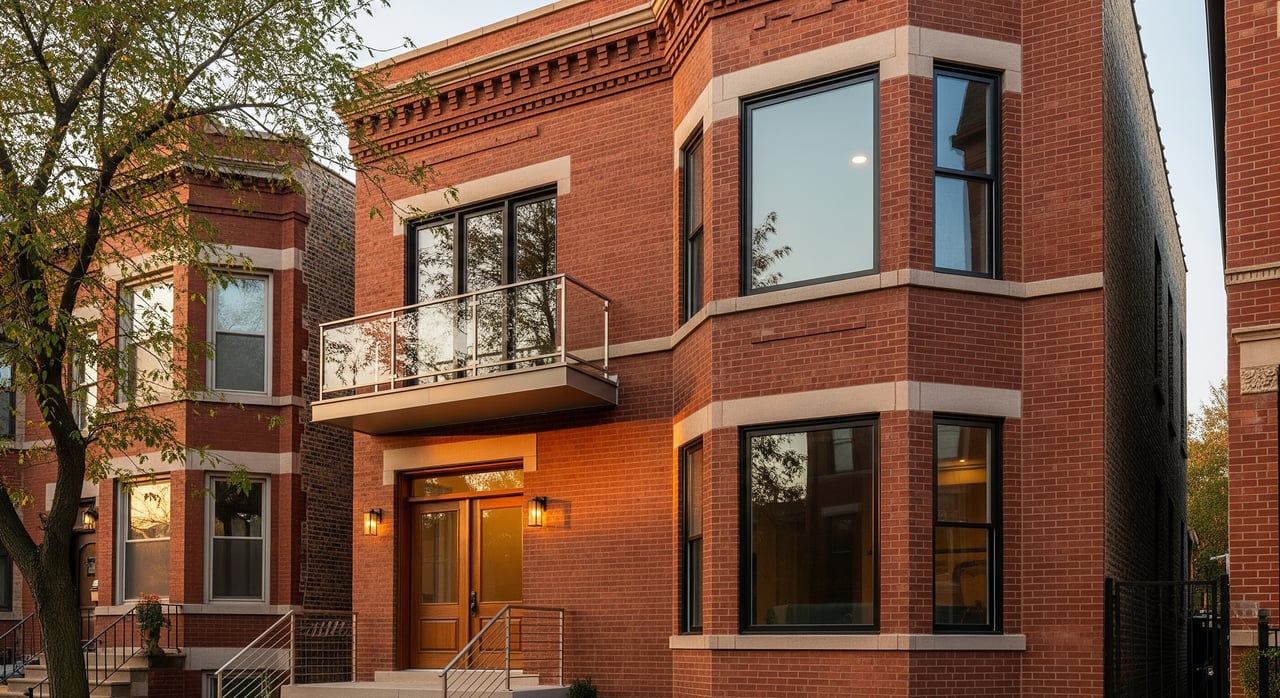
Bucktown Two-Flat Conversion Guide for Single-Family Living
Thinking about turning a Bucktown two-flat into a single-family home? You are not alone. Many owners want more space, a modern layout, and the simplicity of one home and one set of utilities. This guide walks you through what to check, how to sequence the work, the timeline you can expect, and how to position the finished home for resale. Let’s dive in.
Bucktown has a deep inventory of classic brick two-flats on narrow city lots. The neighborhood draws buyers with easy access to Wicker Park and Logan Square, transit options like the Blue Line and CTA buses, and a strong dining and retail scene. Converting to a single-family can deliver the layout and amenities many move-up buyers want.
You should weigh the tradeoffs. A well-executed conversion can improve resale potential, but it often leads to higher assessed value and property taxes. Understanding zoning, preservation rules, and permit paths upfront helps you shape a realistic plan.
Start by verifying the property’s zoning. Use the official City of Chicago resources to review allowed uses, setbacks, lot coverage, and parking rules. The interactive City of Chicago zoning map is the fastest way to check your parcel.
Next, confirm whether your property is landmarked or in a local historic district. Exterior changes that are visible from the street or alley may require review. You can verify status and find guidance through the Commission on Chicago Landmarks.
Most conversions require building permits along with plumbing, electrical, HVAC, roofing, and structural permits. You may also need to formalize a change in occupancy from multi-unit to single-family at project closeout. Review requirements with the Chicago Department of Buildings and plan for staged inspections through rough-in, insulation, and final.
Expect to coordinate utility service changes. Combining gas, electric, and water into single services is common for single-family occupancy. Keep all permits and inspection records organized so you can document the conversion during resale.
A typical timeline runs 1–3 months for due diligence and design, 1–3 months for permit review, 3–12+ months for construction, and 0.5–2 months for closeout. Historic review, structural scope, and utility coordination can extend the schedule.
Budget is shaped by a few big levers:
Older masonry buildings often hide surprises. Removing a party wall or major bearing wall typically requires engineered beams or posts and careful sequencing. Consolidating two mechanical systems into one can mean full replacements and service upgrades, and utility scheduling can affect your timeline.
Basement moisture is a frequent Chicago issue. Plan for waterproofing and drainage improvements early. If the home is in a landmark district, anticipate additional review for visible exterior changes like windows, rooflines, and rear additions.
In many close-in Chicago neighborhoods, single-family homes can command a premium over multi-unit properties. In Bucktown, buyers often prioritize an open kitchen-living area with access to outdoor space, a well-planned primary suite, finished lower level, strong natural light, and off-street parking when possible.
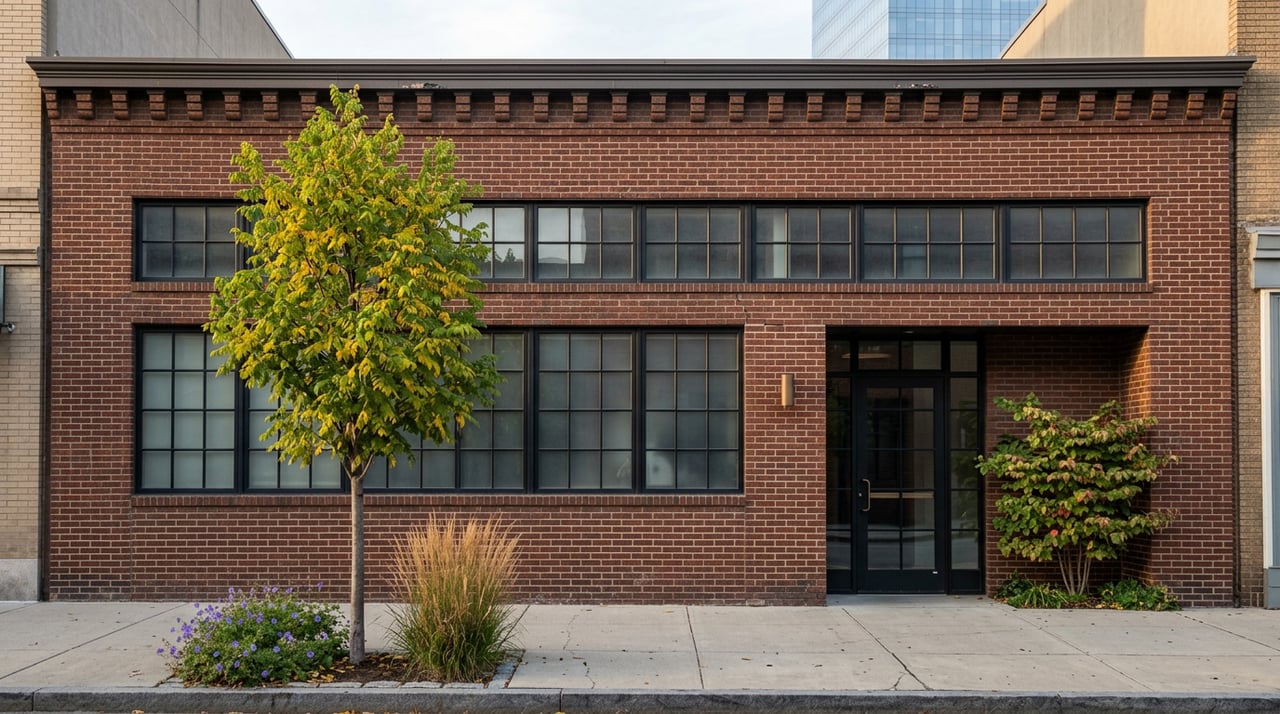
Preserve exterior character when feasible to enhance curb appeal, especially on historic blocks. Inside, focus on flow, light, and storage. For pricing, review comparable single-family sales and recent two-flat conversions within Bucktown and adjacent areas like Wicker Park and Logan Square. Disclose the conversion history, permits, and warranties when you bring the home to market.
When you are ready to discuss options, market timing, or a resale strategy tailored to Bucktown, connect with Lissa Weinstein for a confidential consultation and access to private-market insights.

Whether buying or selling or looking for an expert team to downsize your parents, my team of professionals is here to support your goals and make your next home move as smooth as possible. We are here to guide you, help you make smart investments for your future, transition your move, and take care of all of the details so you don’t have to. We are excited to get to know you and see how we can best be of service.
Let’s start working together!