Lincoln Park Home Styles: Find the Right Fit for You
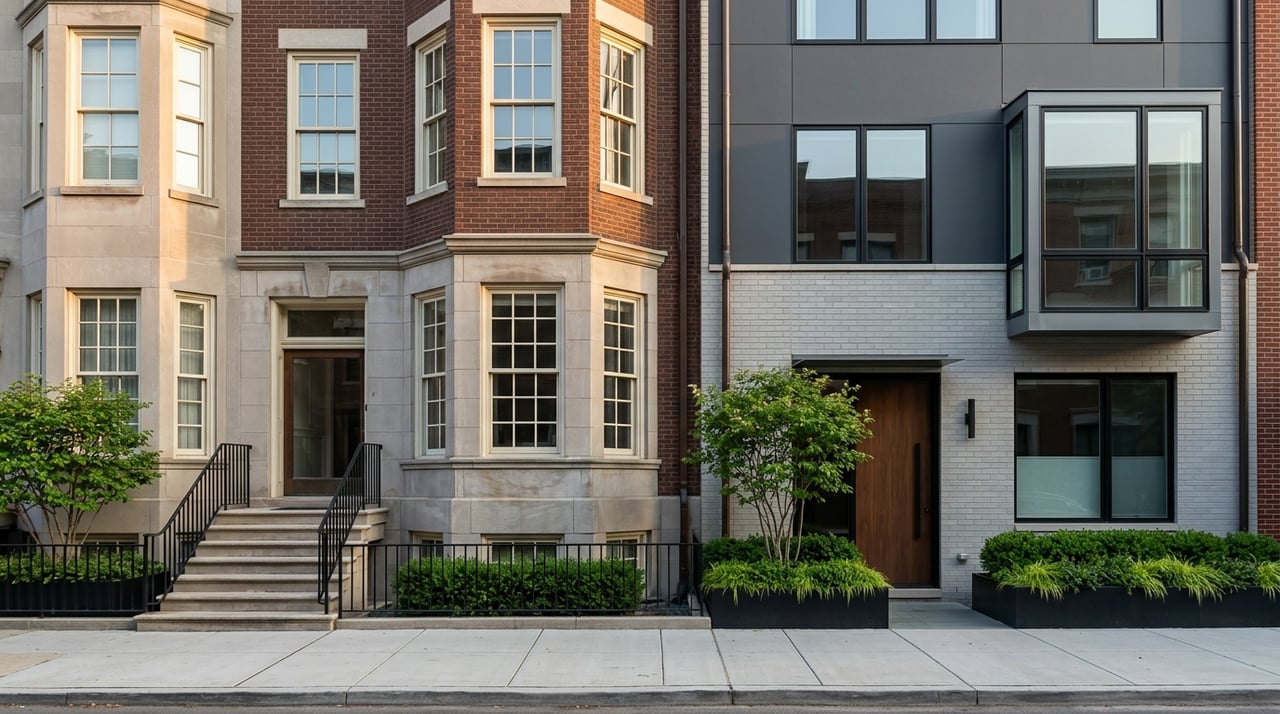
Trying to choose between vintage charm and modern ease in Lincoln Park? It is a real decision here, because this neighborhood offers both in a way few Chicago areas can. If you are weighing a classic greystone, rowhome, or cottage against newer construction, understanding how each style fits your daily life can help you buy with more confidence. Let’s dive in.
Lincoln Park is not a one-note housing market. According to CMAP’s 2019 to 2023 snapshot, 33.9% of housing units were built before 1940, the median year built was 1970, and only 8.2% of units were built in 2010 or later. That mix gives you a neighborhood where historic and contemporary homes truly sit side by side.
It also means your choice is about more than looks. In Lincoln Park, home style often shapes your layout, maintenance needs, renovation flexibility, and even how quickly a property may attract attention in a competitive market. Recent market snapshots from major portals point to persistent demand and relatively limited supply, with homes moving quickly by several measures.
The neighborhood’s housing stock leans heavily toward multi-unit living. CMAP reports that 43.4% of units are in buildings with 20 or more units, while 11.2% are detached single-family homes and 9.0% are attached single-family homes. Lincoln Park is also slightly more renter-occupied than owner-occupied, and many households are small, with one-person and two-person households making up most of the total.
That context helps explain why certain home styles feel especially distinctive here. A classic rowhome or greystone can offer a strong architectural identity, while a newer condo or contemporary residence may stand out because recent construction is a smaller share of the neighborhood’s overall stock.
For many buyers, the classic side of Lincoln Park is the reason the neighborhood feels so compelling. Historic masonry buildings, older streetscapes, and landmarked blocks create a built environment with depth and continuity.
The city has designated several local landmark districts in Lincoln Park, including the Fremont Row House District, Burling Row House District, Lincoln Avenue Row House District, and Bissell Street District. For you as a buyer, that means architectural character is not just a backdrop. It is part of the neighborhood’s long-term appeal.
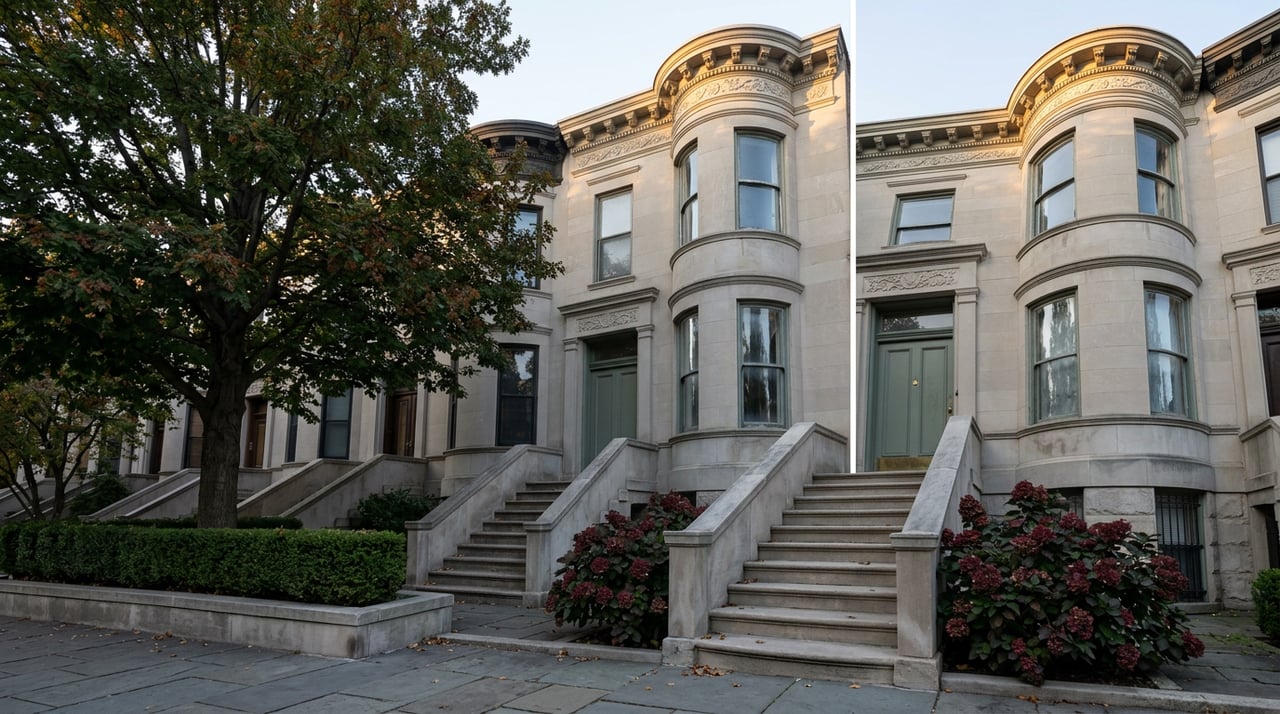
Greystones are one of Chicago’s signature housing types, and in Lincoln Park they are part of the neighborhood’s historic fabric. The Chicago Architecture Center places them within the city’s early 20th-century middle-density housing tradition, which helps explain why they still feel so rooted in place.
If you are drawn to a greystone, you are often responding to masonry construction, period details, and a more substantial street presence. These homes tend to appeal to buyers who want character that feels distinctly Chicago rather than interchangeable with housing in other markets.
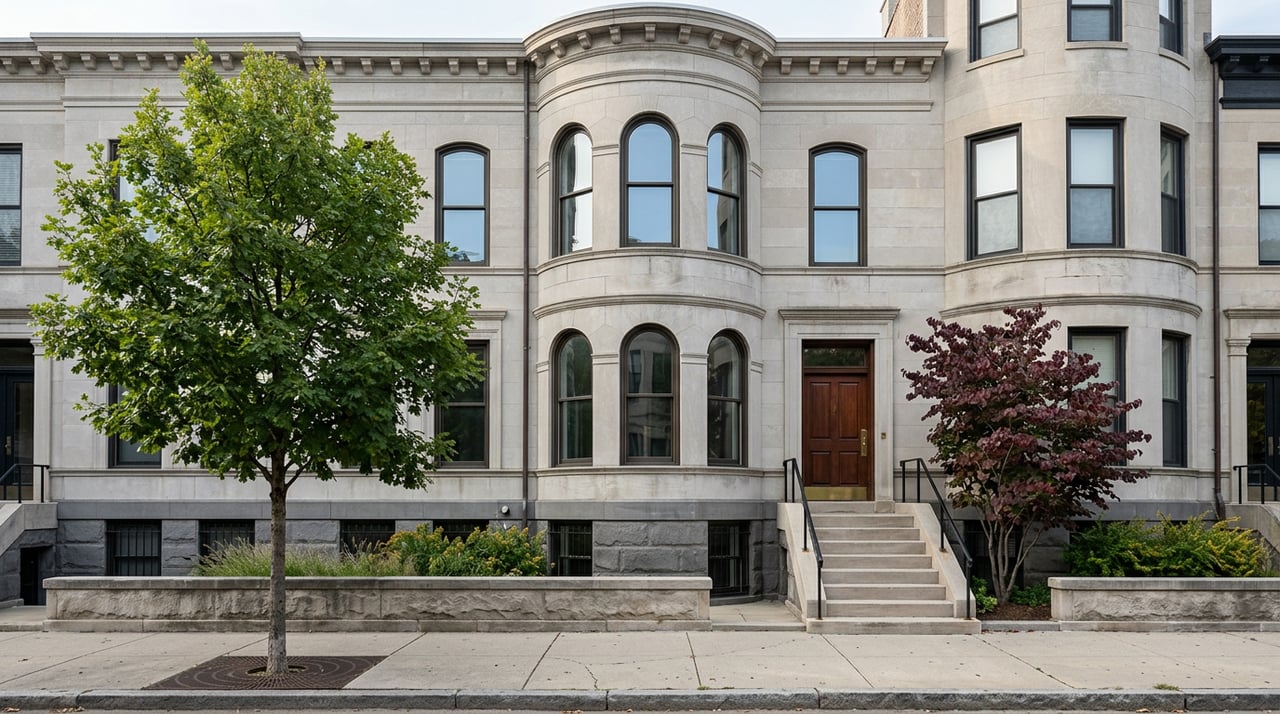
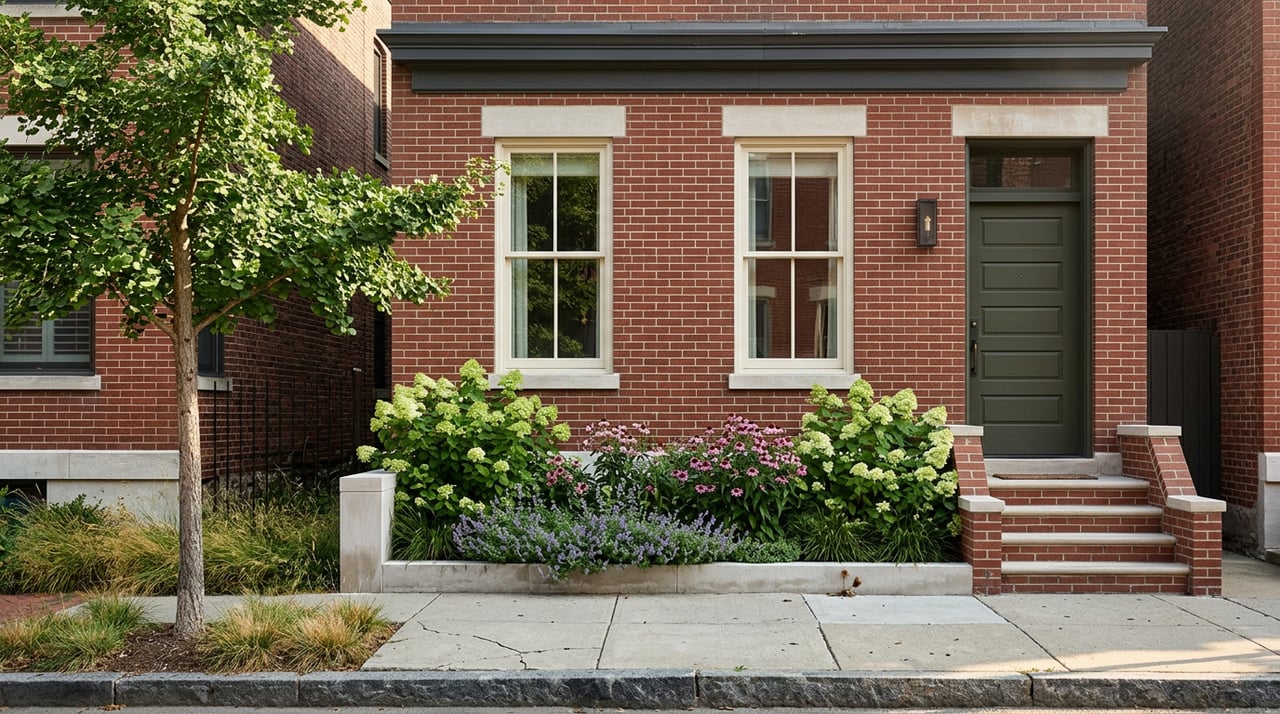
Lincoln Park’s rowhome districts show why this style remains so desirable. The Fremont Row House District is one of the earliest and largest surviving masonry rowhouse groups built after the city banned wood-frame construction. The Burling Row House District includes a ten-house Italianate group with a rare intact wood cornice, while the Lincoln Avenue Row House District features Italianate rowhouses clad in pale yellow Joliet limestone.
For you, a rowhome often means living vertically and close to the street. The tradeoff is usually less lot size in exchange for architectural cohesion and a strong urban setting. Buyers who love classic facades and a connected streetscape often find that trade worthwhile.
Chicago worker’s cottages are defined by the city as one-and-a-half-story homes with raised basements, rectangular plans, limited ornament, and front-facing gable roofs. Examples can be found in Lincoln Park, offering a more compact historic option within the neighborhood.
If you want an older exterior shell and neighborhood character without the scale of a larger rowhome or detached house, a cottage may be worth a close look. Their smaller footprint can suit buyers who prefer a more manageable home while still valuing vintage appeal.
Contemporary homes are part of Lincoln Park, but they are a minority of the housing stock. Since only 8.2% of units were built in 2010 or later, newer homes often feel more distinctive here than they would in a newer neighborhood or suburban setting.
That scarcity shapes buyer expectations. Many buyers look to contemporary homes for turnkey living, more open layouts, and a more straightforward move-in process, especially when they want to limit immediate renovation work.
A useful local example is Lincoln Common, described by the Lincoln Park Chamber as a Hines and McCaffery development designed by SOM and Antunovich Associates to LEED Silver standards. The project includes luxury apartments, condominiums, retail, office space, senior living, parking, and open space.
This kind of development reflects the contemporary side of Lincoln Park well. In practical terms, it points to newer construction, more amenities, and a more managed day-to-day living experience than you might find in a vintage single-family home or historic rowhome.
If your priority is convenience, contemporary homes may feel like the clearer fit. Buyers are often drawn to newer finishes, open floor plans, and fewer near-term repair questions.
That said, newer living can come with tradeoffs. Depending on the property type, you may be balancing ease and amenities with association governance or a less historic exterior look. In Lincoln Park, that decision often comes down to whether you value architectural heritage or turnkey simplicity more highly.
In Lincoln Park, the decision is rarely just old versus new. More often, it is about matching your home to how you actually want to live.
A classic home may be the right choice if you value architectural detail, established streetscapes, and a stronger sense of historic identity. A contemporary home may be the better fit if you want a more streamlined setup and fewer immediate projects after closing.
Before you decide, it helps to think beyond finishes and curb appeal. Consider how each style aligns with your routines, priorities, and tolerance for upkeep.
If you are considering a landmarked property or a home in a landmark district, it is important to understand the tradeoffs clearly. According to the City of Chicago’s landmark FAQ, designation can enhance prestige, may increase value, and generally has not been shown to negatively affect property values.
At the same time, exterior changes may be subject to review. The same city guidance notes that routine maintenance such as painting and minor repairs does not require a building permit, while more significant exterior work does go through review. For buyers who appreciate preservation, that can help protect the architectural context that made the home attractive in the first place.
Lincoln Park’s older housing stock gives classic homes a built-in sense of scarcity. With a large share of homes dating to before 1940 and relatively little very recent construction, vintage properties often remain central to the neighborhood’s identity.
That does not mean contemporary homes are less compelling. In fact, because newer inventory is limited, well-executed contemporary homes can also draw strong attention, especially from buyers who want a polished move-in experience. In this market, long-term appeal often comes from choosing the style that best matches your lifestyle rather than chasing a one-size-fits-all formula.
The best Lincoln Park purchase is usually the one that aligns design with daily life. Greystones and rowhomes offer presence, texture, and a strong connection to Chicago’s architectural story. Cottages provide a smaller historic footprint, while contemporary homes offer a more direct path to turnkey living.
If you are buying in Lincoln Park, the real advantage comes from looking past labels and focusing on fit. When you match home style to your comfort with maintenance, layout, stairs, and preservation constraints, you make a more confident decision for both today and the years ahead.
If you want discreet guidance on Lincoln Park homes, private opportunities, or how to compare classic and contemporary options with confidence, connect with Lissa Weinstein.

Whether buying or selling or looking for an expert team to downsize your parents, my team of professionals is here to support your goals and make your next home move as smooth as possible. We are here to guide you, help you make smart investments for your future, transition your move, and take care of all of the details so you don’t have to. We are excited to get to know you and see how we can best be of service.
Let’s start working together!