River North Loft vs High-Rise Living: What Suits You?
Choosing between a loft and a high-rise in River North is not just about square footage. It is about how you want to live every day in one of Chicago’s most urban, design-forward neighborhoods. If you are weighing character against convenience, this guide will help you compare the two with a clearer eye and ask better questions before you buy. Let’s dive in.
River North’s identity helps explain why this decision feels so specific here. The neighborhood grew from a former manufacturing area into a downtown district known for art galleries, studios, residential buildings, entertainment venues, and office towers.
That history created a housing mix with real contrast. In River North, you are often choosing between authentic loft conversions in former warehouse buildings and high-rise condos in newer tower settings. Both can work beautifully, but they serve different priorities.
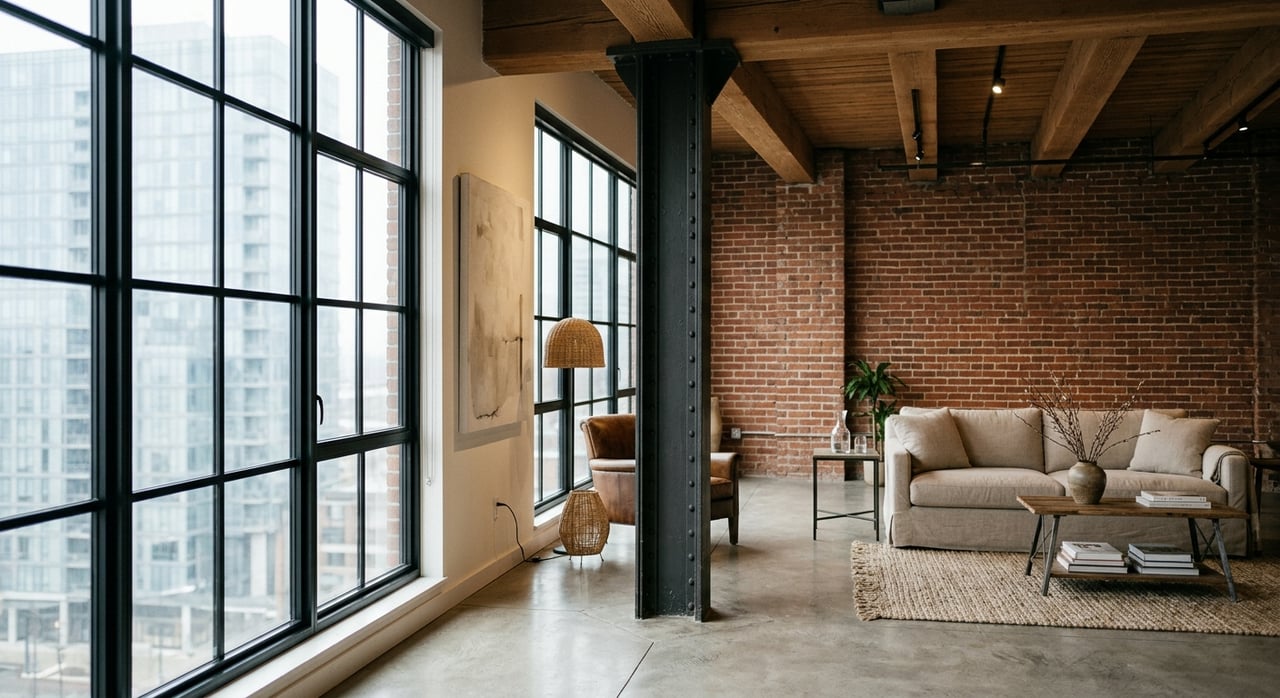
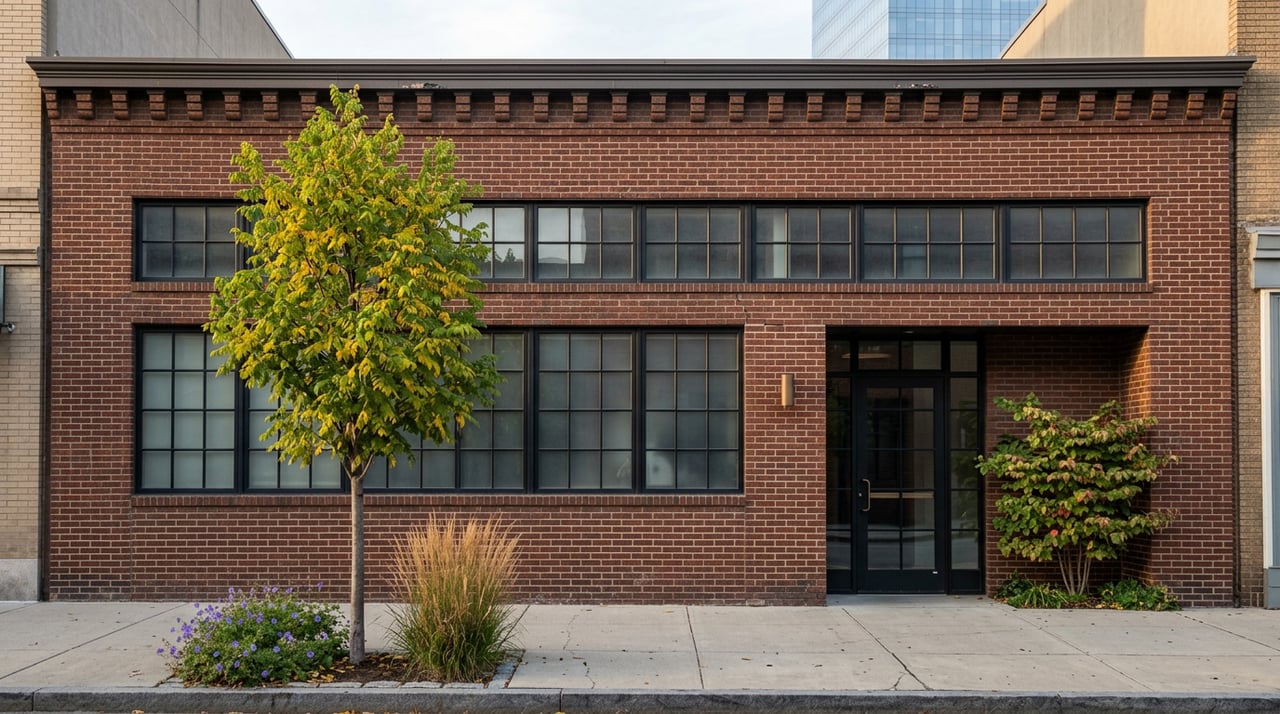
Lofts in River North usually come from older industrial buildings that were adapted for residential use. These buildings often feature heavy-timber or mill construction, masonry exteriors, large windows, tall ceilings, and a lower-rise scale.
Inside, that often means exposed brick, timber beams, open floor plans, and layouts that feel less standardized than a typical condo tower. Many buyers are drawn to that sense of history, especially in a neighborhood so closely tied to warehouse reuse and architectural reinvention.
For many buyers, the appeal starts with volume. Tall ceilings, wide window lines, and open layouts can make a loft feel larger and more dramatic than a conventional condo with similar square footage.
Lofts also offer a level of architectural character that newer buildings often do not try to replicate. If you want original materials, visual texture, and a home that feels distinct rather than repeatable, a loft may be the stronger fit.
Another advantage is individuality. Because these buildings begin with older shells, two loft buildings in River North can feel very different from one another in layout, finishes, and common spaces.
The same features that make lofts appealing can also require more careful evaluation. Open plans and hard surfaces can affect how sound carries, so it helps to pay close attention to street noise, neighbor noise, and echo during an in-person showing.
Outdoor space can also vary a great deal. Instead of a predictable amenity package, you may find a converted courtyard, a roof deck, or a private terrace, depending on the building.
Maintenance is another key consideration. In older buildings, windows, masonry, roofing, and mechanical systems deserve close review because long-term upkeep can shape both ownership costs and future building projects.
High-rise living in River North is built around a different value proposition. The neighborhood includes major mixed-use towers with condominiums, hotel components, dining, fitness facilities, pools, spas, and other shared services.
That type of building often appeals to buyers who want convenience built into the address. Rather than prioritizing historic texture, high-rises tend to emphasize service, amenities, vertical living, and a more streamlined day-to-day experience.
Views are often a major draw. If your top priority is elevation above the street and the possibility of skyline, river, or long-distance outlooks, the tower format usually has the edge.
Amenities are another reason buyers gravitate toward high-rises. Depending on the building, shared features may include fitness space, outdoor pool areas, dining, spa access, and other conveniences that support a more service-driven lifestyle.
Many buyers also appreciate the predictability of tower layouts. Compared with lofts, high-rise condos often feel more consistent from floor to floor and from one stack to the next, which can make your search more straightforward.
Amenities and building services often come with higher monthly carrying costs. Assessments can differ widely by building, but elevators, staffing, shared amenity spaces, and larger common areas can all affect the budget.
Outdoor space may also be more communal than private. In many towers, outdoor living is packaged through shared terraces, pool decks, or podium-level spaces rather than large private outdoor areas for every unit.
Privacy and sound are worth checking carefully as well. Buyers should pay attention to glazing, hallway exposure, elevator proximity, and mechanical noise instead of assuming every high-rise will feel quieter than every loft.
The fastest way to compare these options is to focus on the lifestyle each one supports.
| Feature | Loft Living | High-Rise Living |
|---|---|---|
| Building style | Former warehouse or industrial conversion | Tower or mixed-use condominium building |
| Interior feel | Open, textured, historic, less uniform | Polished, consistent, more standardized |
| Ceiling height | Often tall, around 10 to 14 feet in loft typology | Varies by building and unit |
| Views | More limited by lower-rise scale | Often stronger skyline or river views |
| Amenities | Can be limited or building-specific | Often broader shared amenity package |
| Outdoor space | Variable, sometimes unique or adapted | Often shared terraces, decks, or pool areas |
| Building personality | Distinct and individual | Service-oriented and predictable |
| Key watchpoint | Older building systems and future capital work | Assessments tied to amenities and operations |
In River North, the better choice is usually the one that matches your daily priorities. If you care most about historic texture, taller-feeling interiors, and a building with a more singular personality, a loft may feel more rewarding over time.
If you care most about views, amenities, and a more managed lifestyle, a high-rise may be the stronger fit. Neither option is inherently better. The right answer depends on how you want your home to function for you.
When buyers compare lofts and high-rises, they often focus first on finishes, views, and amenities. Just as important is the association budget and what your monthly assessment is really supporting.
Illinois condo law requires boards to prepare an annual budget and provide for reasonable reserves for capital expenditures and deferred maintenance tied to common elements. For you as a buyer, that means assessments are not just a fee. They are part of the true cost of ownership.
The resale disclosure package can also reveal important details, including unpaid assessments, anticipated capital expenditures for the current or next two fiscal years, reserve-fund status, financial condition, pending suits, and insurance coverage. That information can change how attractive a building looks on paper.
Whether you lean loft or high-rise, these are some of the most useful questions to ask:
These questions matter in both categories, but the answers may point you in different directions. In a loft, you may be paying to preserve older building components and architectural character. In a high-rise, you may be paying for staffing, amenity upkeep, and more extensive common operations.
A smart showing strategy can tell you much more than listing photos ever will. In a loft, stand quietly for a moment and listen. Notice how sound moves through the space and whether the finishes amplify it.
Look closely at windows, masonry condition, and the overall feel of the common areas. In a high-rise, test the flow from the elevator to the unit, note hallway traffic, and ask how shared amenities are used and maintained.
In both cases, try to picture an ordinary Tuesday, not just a polished showing. The right building should support your routine as well as your taste.
One of the biggest mistakes buyers make is treating lofts or high-rises as if they are all alike. In River North, they are not. A loft building’s appeal can vary widely based on its conversion quality, upkeep, and layout, while a tower’s value can shift based on views, amenity use, budget discipline, and building operations.
That is why a building-by-building analysis matters so much in this neighborhood. The best purchase is not just the right category. It is the right building, the right unit, and the right long-term ownership profile for your goals.
If you are comparing River North lofts and high-rises and want a more discreet, tailored perspective, Lissa Weinstein can help you weigh lifestyle fit, building quality, and private-market opportunities with the level of care a significant purchase deserves.



Whether buying or selling or looking for an expert team to downsize your parents, my team of professionals is here to support your goals and make your next home move as smooth as possible. We are here to guide you, help you make smart investments for your future, transition your move, and take care of all of the details so you don’t have to. We are excited to get to know you and see how we can best be of service.
Let’s start working together!