
Lincoln Park Estate Home Sale: A Clear Guide
If you are guiding the sale of a Lincoln Park home after a loss, the process can feel emotional, detailed, and surprisingly time-sensitive all at once. You may be balancing family conversations, legal steps, home preparation, and the pressure to make smart decisions without rushing. The good news is that a clear plan can protect both the estate and the value of the property. Let’s dive in.
Before a Lincoln Park estate home is photographed, shown, or publicly marketed, you need to confirm who has the authority to act. In Illinois, that person may be the executor if there is a will, the administrator if there is no will, or the trustee if the property is held in trust.
That first step matters because not every home passes through the estate in the same way. Illinois Legal Aid notes that real estate held in joint tenancy or transferred by a Transfer on Death Instrument may pass outside the estate. A power of attorney also ends at death, so it cannot be used to sign for the sale afterward.
If probate is required, timing can stretch longer than many families expect. Illinois Legal Aid explains that settling an estate can take months or more, especially when real estate or disputes are involved. That is why it is wise to confirm authority and review title before the home is publicly launched.
Probate is the court process used to settle an estate, and it often shapes both the sale timeline and the paperwork. If the property is part of the estate, the representative may need to coordinate closely with the estate attorney before listing decisions are finalized.
It is also important to know what shortcuts do not apply. In Illinois, a small estate affidavit cannot be used when the estate includes real estate. That means families selling a home should plan for a more formal process when the property is part of the estate.
A practical approach is to treat the legal file as the foundation of the listing strategy. When authority, title, and transfer requirements are addressed early, you reduce the risk of delays after a buyer is already in place.
In Chicago, closing an estate sale involves more than finding a buyer. Administrative requirements can become the real pacing items, especially if they are started too late.
One key item is the Full Payment Certificate, often called the FPC. Chicago requires an FPC for property transfers unless an exception applies, and without it the parties cannot obtain the City of Chicago real property transfer tax stamps needed to record the deed.
The city advises allowing at least 10 business days for FPC completion. Some residential cases may be processed faster, but same-day handling is not guaranteed. The certified FPC also expires after 60 days, so timing it to the expected closing window matters.
Another common requirement is a certificate of zoning compliance. For many one-family, two-family, and smaller multifamily properties in Chicago, this certificate is required before tax stamps are issued. Condominiums, co-ops, and newly constructed dwellings sold to the initial occupant are generally exempt, and the city typically issues or denies the certificate within five business days.
Transfer taxes are another piece of the closing picture that should be understood upfront. For a Lincoln Park sale, the Illinois transfer tax is 50 cents per $500, the Cook County tax is 25 cents per $500, and the Chicago transfer tax plus CTA supplemental tax total $5.25 per $500.
Combined, that equals $6.00 per $500 before any contract-specific allocation. Chicago generally places the city portion on the purchaser and the CTA portion on the transferor, though the exact handling can depend on the transaction and any statutory exemption.
For families settling an estate, these costs should be discussed early with the attorney and broker. Clear expectations help avoid surprises when reviewing net proceeds.
Estate sales often come with disclosure questions, especially when family members have not lived in the home recently. Under Illinois law, fiduciary transfers made during the administration of a decedent’s estate, along with certain transfers by will, intestacy, or transfer-on-death instrument, are exempt from the standard Residential Real Property Disclosure Act report.
That exemption does not mean known physical issues should be ignored. Illinois brokers still must disclose latent material adverse facts about a property’s physical condition if they actually know them. State law also makes clear that this type of physical-condition information is not treated as confidential.
That is why a pre-listing conversation among the family, attorney, and broker is so helpful. It gives everyone a chance to identify known issues, clarify what documentation exists, and decide how to handle the property thoughtfully before buyers begin touring.
In an estate sale, cleanout is not just a presentation project. It is also part of administration.
Illinois Legal Aid notes that the representative must keep careful records of the decedent’s property, debts paid, and where remaining property goes. That means inventorying contents before furniture, art, documents, or personal items are removed is a practical and important step.
For many Lincoln Park homes, especially long-held residences, this stage takes more time than families expect. A calm, organized inventory process can prevent confusion later and make it easier to separate sentimental items, estate assets, and ordinary household contents.
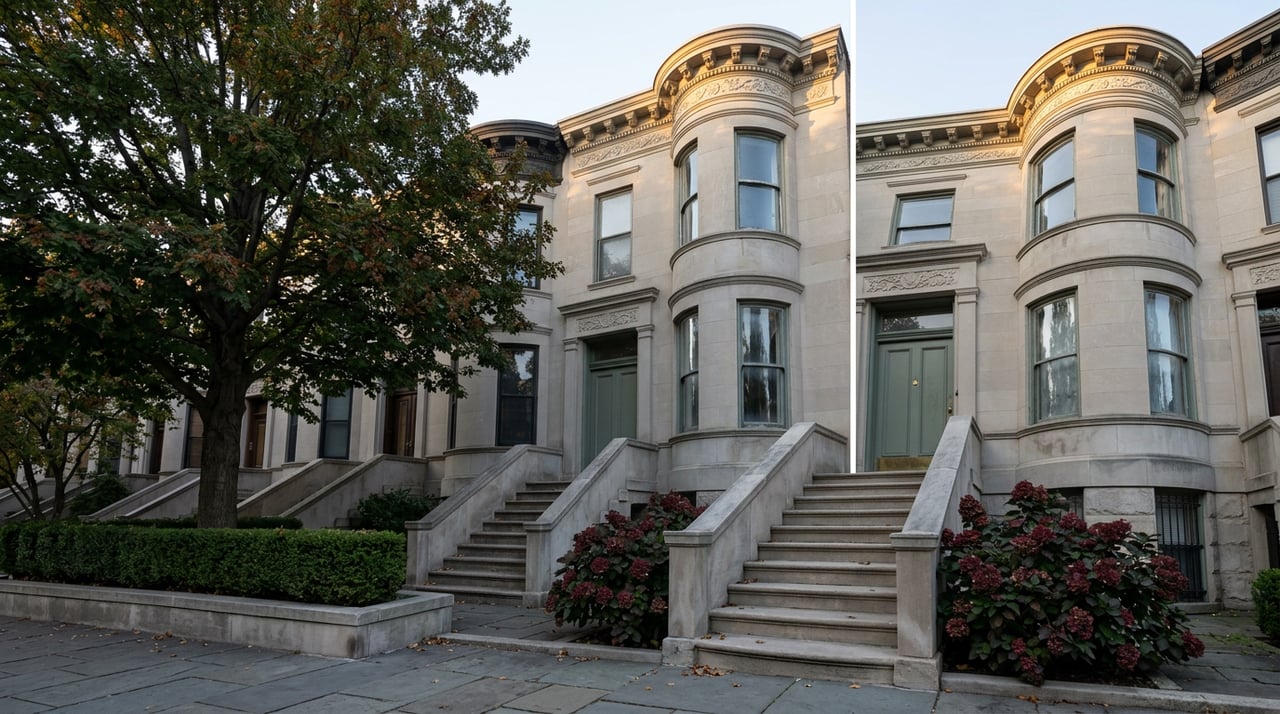
Lincoln Park is known for its historic residential character and connection to Chicago’s largest public park. In this setting, presentation matters, but so does a measured, low-disruption process.
The goal is not to erase the home’s story. It is to present the property in a way that feels polished, clear, and welcoming to buyers while respecting the family and the history of the home.
Staging can play a meaningful role here. According to the National Association of Realtors’ 2025 Profile of Home Staging, 83% of buyers’ agents said staging made it easier for buyers to visualize a future home, 49% of sellers’ agents said staging reduced time on market, and 29% said staging increased the dollar value offered by 1% to 10%.
That does not mean every estate home needs a full redesign. Often, selective preparation makes the biggest difference:
For a neighborhood like Lincoln Park, where first impressions are especially important, thoughtful presentation can help buyers appreciate both the home’s condition and its character.
Some Lincoln Park properties are individually landmarked or located within a Chicago landmark district. If that applies to the home, exterior changes may require review by the Landmarks Commission as part of the permit process.
This can affect plans for window replacement, masonry work, exterior repairs, demolition, or other visible alterations. Before scheduling that kind of work, it is wise to confirm whether the property falls under landmark review.
This step can save time and avoid unexpected delays. It also helps preserve the integrity of the sale timeline when improvements are being considered before listing.
A sensitive estate listing benefits from structure. Rather than opening the home broadly before the file is ready, many families are better served by controlled access, private showings, and careful scheduling around cleanout, vendor work, and family availability.
This kind of planning supports both discretion and clarity. It also gives the representative space to document the estate properly while reducing the chance that personal property or unresolved issues complicate the showing process.
A practical workflow often looks like this:
In many Chicago estate sales, the closing paperwork is the true constraint, not buyer demand. Starting these steps in parallel can create a smoother path from listing to closing.
Estate sales in Lincoln Park often involve more than standard listing preparation. You may be handling a long-held home, a historic property, family coordination, city transfer requirements, and a timeline shaped by probate or trust administration.
That is why local knowledge and discretion matter. A well-managed process can protect privacy, reduce avoidable delays, and present the property in a way that supports strong interest from serious buyers.
When the sale involves both emotional weight and high-value real estate, calm coordination becomes part of the value. The right support helps you move forward with clarity, care, and confidence.
If you are preparing to sell an estate property in Lincoln Park, Lissa Weinstein offers discreet, high-touch guidance for sensitive home sales, including estate and move-management support tailored to complex transitions.








Whether buying or selling or looking for an expert team to downsize your parents, my team of professionals is here to support your goals and make your next home move as smooth as possible. We are here to guide you, help you make smart investments for your future, transition your move, and take care of all of the details so you don’t have to. We are excited to get to know you and see how we can best be of service.
Let’s start working together!