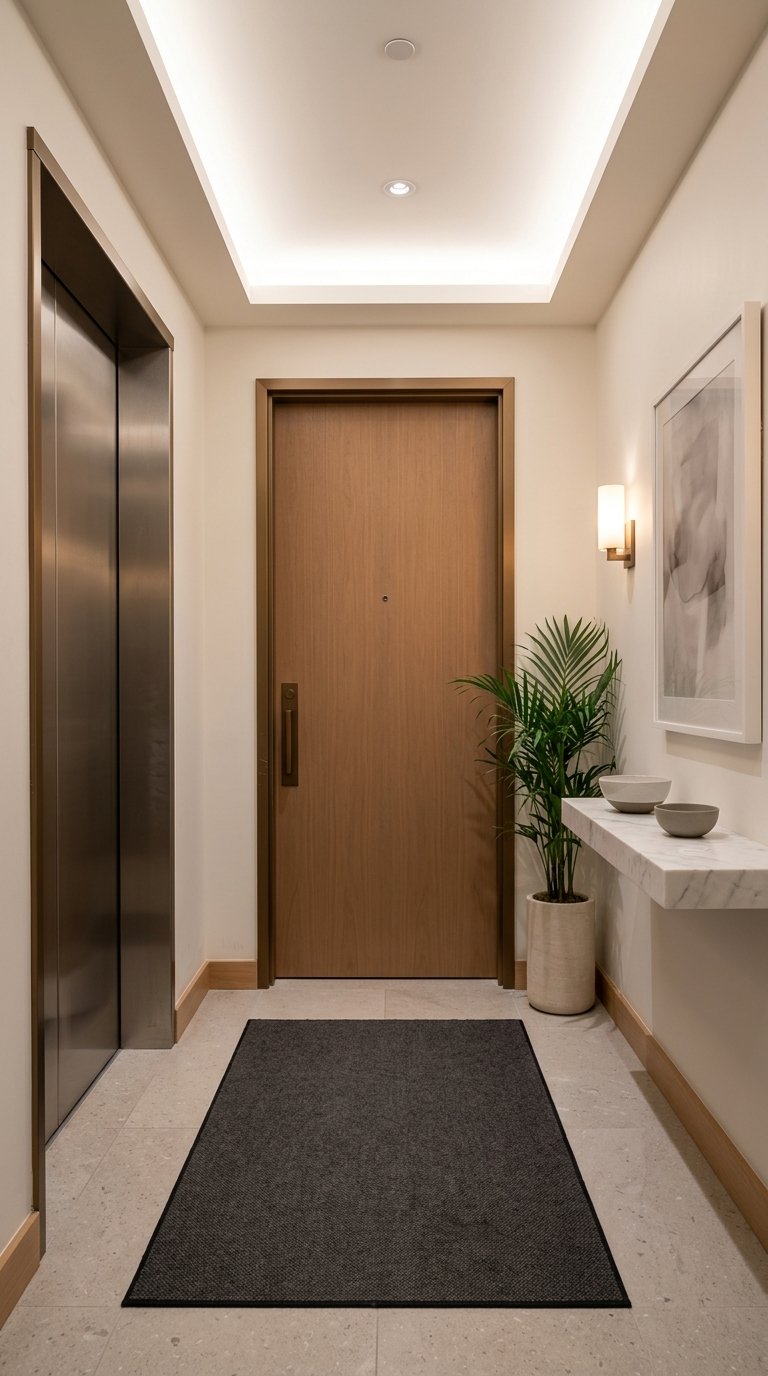
What to Know About a River North Pied-à-Terre
If you want a Chicago home base without the upkeep of a full-time residence, River North often rises to the top of the list. It offers quick access to downtown, strong transit connections, and the kind of lively, mixed-use setting that suits frequent visitors well. But in this part of Chicago, a smart pied-à-terre purchase is rarely just about the address. It is usually about choosing the right building, the right block, and the right rules for the way you plan to use the home. Let’s dive in.
River North sits within Chicago’s Near North Side and is widely known for its dense urban mix of restaurants, galleries, nightlife, offices, and landmark buildings. For you as an occasional-use buyer, that can make it appealing as a lock-and-leave base close to the Loop and other downtown destinations.
Just as important, River North offers unusually strong transit access for a downtown residential market. The area is served by CTA rail stops that include Grand, Chicago, Clark/Division, and Merchandise Mart, which can make it easier to rely less on a car when you are in town.
That said, River North is not a one-note neighborhood. Chicago neighborhood names are fluid and not used by the city for official purposes, so the experience can change noticeably from one building or block to the next. In practice, that means your search should focus less on the label and more on the exact property.
When you are buying a pied-à-terre in River North, the building often matters more than the unit finishes. A beautiful interior can look perfect online, but if the building does not support easy arrivals, smooth deliveries, or secure access while you are away, the ownership experience can feel less convenient than expected.
A building-first search helps you narrow in on the features that shape day-to-day use. In many cases, that means evaluating service, access, parking, and policies before you spend too much time comparing kitchens and baths.
Look closely at the systems and conveniences that make a part-time residence easy to own:
For a buyer who values discretion and a true lock-and-leave setup, these details can matter as much as square footage.
In Illinois, condominium ownership is shaped heavily by the association’s governing documents. The bylaws govern administration, and the declaration, bylaws, condominium instruments, and rules can all affect how you use the unit and common elements.
That is especially important if your pied-à-terre may sometimes be used by guests or leased while you are away. The association’s rules are not a side issue. They are central to how flexible the property will be for your needs.
If you may want rental income from the unit during periods when you are not in Chicago, get the building’s leasing, subletting, and guest rules in writing. Illinois law also provides that rules related to unit use and common elements apply to anyone leasing a unit, and for certain leases the owner must provide the board with a signed lease or memorandum within the required timeframe.
In addition, Chicago regulates shared-housing units and vacation rentals through its municipal code. That means city requirements should be checked separately from the condo association’s own restrictions. A building may have stricter policies than the city, and both layers matter.
A pied-à-terre owner may not be in the building often enough to spot early signs of deferred maintenance or operational strain. That is one reason financial review is so important before you buy.
Illinois law requires condominium bylaws to include a budget process and annual accounting. Buyers can also review reserve-fund status, anticipated capital expenditures, recent financial condition statements, unpaid assessments, and other core association records during resale due diligence.
Before closing, make sure you review the association materials that speak to both cost and risk:
These documents can tell you whether a building is being managed with long-term care in mind or whether future assessments may be more likely.
A successful pied-à-terre should be easy to leave as well as easy to enjoy. If you travel often, ask how the building handles access in real life, not just on paper.
You will want to know who can enter the unit in an emergency, how keys or fobs are managed, how deliveries are accepted, and how maintenance requests are handled when you are not in town. Illinois law allows associations access to units when needed for maintenance, repair, replacement, or emergency repairs, so clear procedures are essential.
Use these questions to understand the building’s day-to-day operations:
For many buyers, this operational clarity is what turns a city condo into a true lock-and-leave residence.
River North’s transit network is one of its biggest advantages. With nearby Red, Brown, and Purple Line access in and around the neighborhood, many owners find they can keep car use to a minimum.
Still, parking deserves a full review because it is usually tied to the building rather than the neighborhood as a whole. You should confirm whether parking is deeded, leased, assigned, or waitlisted, and whether guest parking or EV charging is available.
A building with excellent transit access but difficult parking may still work beautifully for one buyer and poorly for another. The right fit depends on how often you drive, whether guests visit often, and how much convenience matters when arriving in the city.
Because River North is active and dense, privacy and quiet can vary widely. Floor level, unit orientation, and proximity to restaurant and nightlife corridors may have a real effect on how restful the home feels.
If you want a more hotel-like sense of separation from the street, pay close attention to where the unit sits within the building. In this market, a well-positioned residence on the right block may feel very different from another home only a few streets away.
When touring, pay attention to details that online photos may not show:
In River North, these block-level and building-level details often shape satisfaction more than the neighborhood name itself.
Some River North properties are in landmark buildings or landmark districts. If so, Chicago may review permit applications for work that affects significant historical or architectural features.
That does not mean every update will be difficult. The city notes that routine maintenance such as painting and minor repairs generally does not require a building permit. But if you expect to renovate, it is wise to ask early whether association approval or landmark review could affect your plans.
For most pied-à-terre buyers, the strongest approach is simple: start with the building’s service model, rules, and access profile, then narrow to the best unit within that shortlist. That process tends to reduce surprises and keeps your search aligned with how you actually plan to live in the home.
In a market like River North, that is also where local guidance can be especially valuable. The best-fit opportunities may come from a mix of public listings and more private, relationship-driven sourcing, particularly when discretion and building fit are priorities.
If you are considering a pied-à-terre in River North, Lissa Weinstein offers discreet, highly personalized guidance with a sharp understanding of Chicago’s Near North micro-markets, building-by-building differences, and private-market opportunities.








Whether buying or selling or looking for an expert team to downsize your parents, my team of professionals is here to support your goals and make your next home move as smooth as possible. We are here to guide you, help you make smart investments for your future, transition your move, and take care of all of the details so you don’t have to. We are excited to get to know you and see how we can best be of service.
Let’s start working together!