Comparing Gold Coast Architecture Homes and Streeterville
Wondering why two nearby lakefront neighborhoods can feel so different once you step inside the homes? In Gold Coast and Streeterville, architecture shapes not just the skyline, but also how you live, entertain, and experience the city day to day. If you are comparing these areas or preparing to sell a distinctive property, understanding the architectural character of each neighborhood can help you make smarter decisions. Let’s dive in.
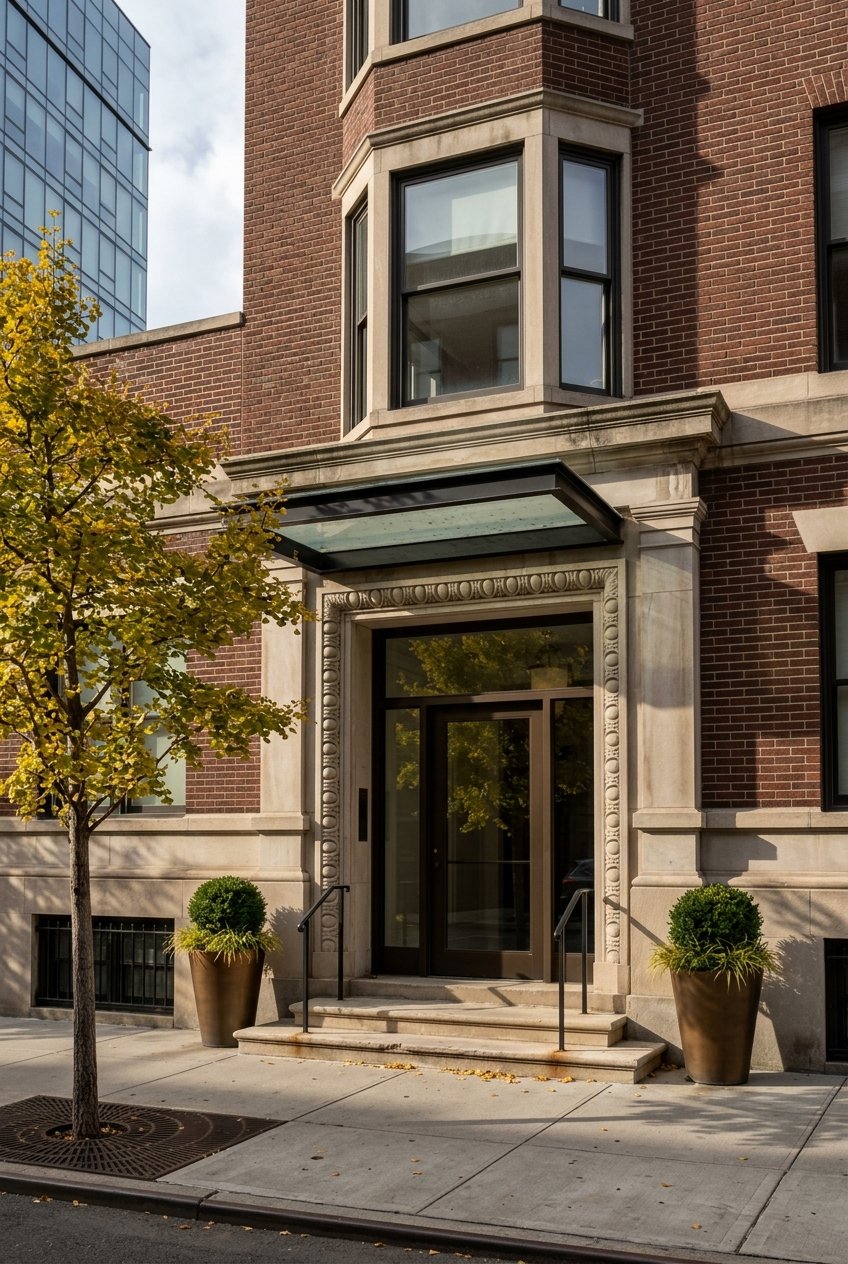
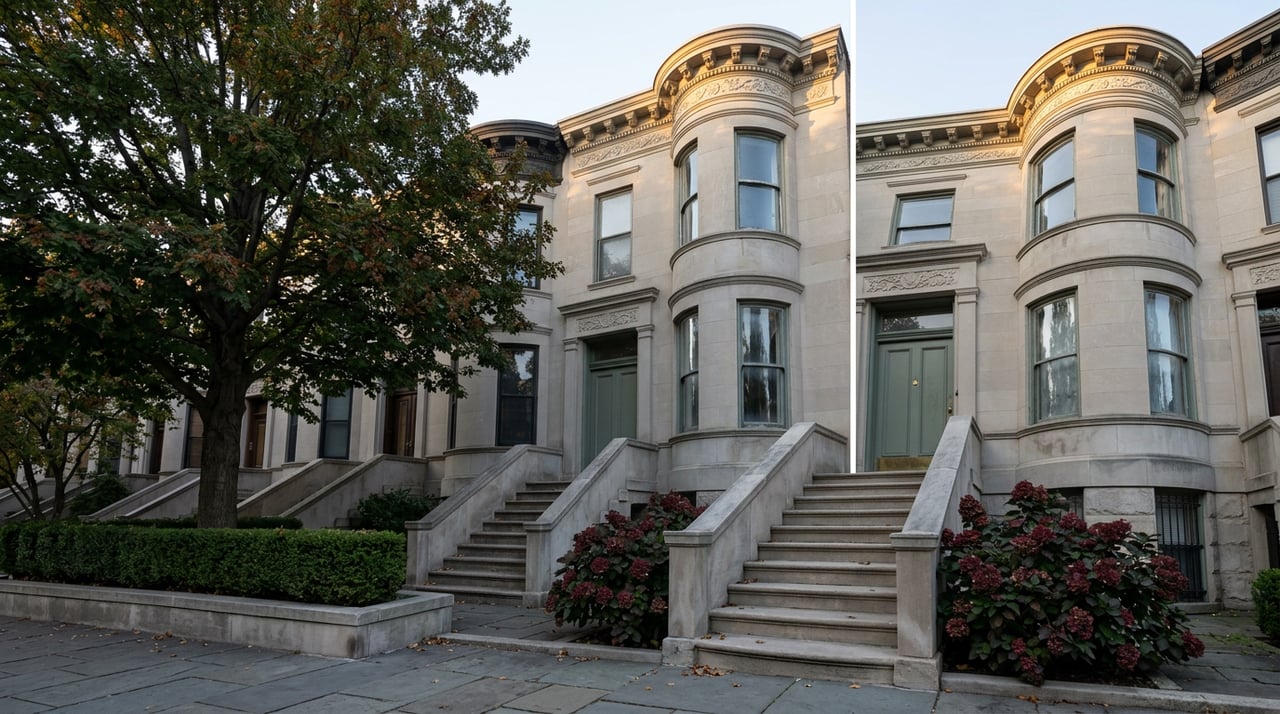
Gold Coast is defined by a strong sense of historic domestic architecture. The neighborhood is especially known for preserved houses, townhomes, and early luxury apartment buildings that reflect Chicago’s late-19th- and early-20th-century growth.
This preservation-minded identity is most visible in the Astor Street Historic District. The City of Chicago describes the district, which spans the 1200 to 1600 blocks of Astor Street, as a collection of 19th-century houses in historical revival styles, mixed with 20th-century apartment buildings and townhouses.
If you are drawn to architectural detail, Astor Street offers some of the neighborhood’s clearest signatures. The Chicago Architecture Center highlights French Renaissance, Georgian Revival, Romanesque, and Mid-century Modern examples within the broader Gold Coast area.
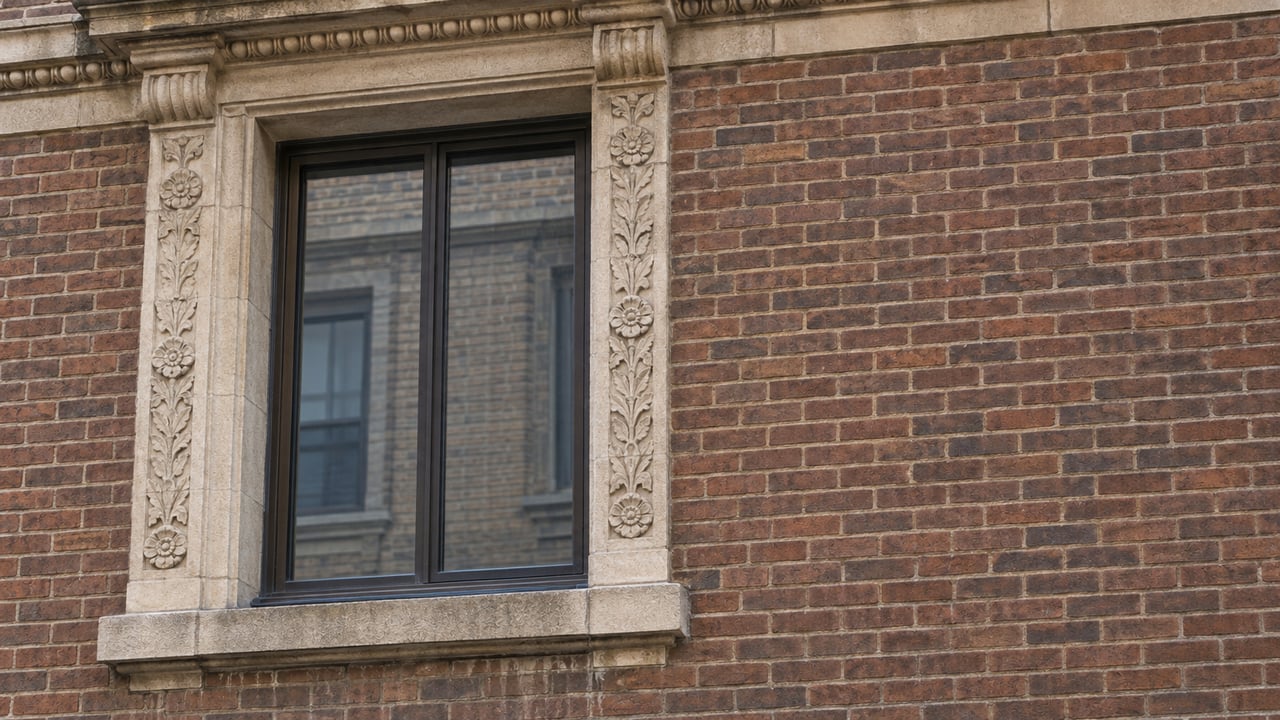
That mix gives Gold Coast a layered feel. You may notice masonry facades, formal symmetry, ornamental detailing, and proportions that reflect an earlier era of urban residential design.
Gold Coast did not keep its character by accident. The Chicago Architecture Center notes that a preservation movement in the 1970s helped save many homes from demolition.
For buyers, that means the neighborhood still offers a level of historic continuity that can be hard to find in a major downtown market. For sellers, it reinforces why architectural presentation and thoughtful marketing matter so much in this part of Chicago.
Another major Gold Coast architectural highlight is the East Lake Shore Drive District. According to the City of Chicago, this row of eight buildings, constructed from 1912 to 1929 and designed by Marshall & Fox and Fugard & Knapp, captures the city’s early-20th-century luxury apartment boom.
These buildings borrowed ornamental ideas from England, France, and Italy. They also helped establish luxury apartment living as a respected alternative to large townhouses and suburban estates.
If you are shopping for a vintage lakefront residence, East Lake Shore Drive helps explain why Gold Coast remains so appealing. These buildings pair prestige with architectural richness, often in a more formal, prewar style than many later high-rises.
Nearby, the Seven Houses on Lake Shore Drive preserve rare surviving mansions from the street’s late-19th-century period of prestige. Together, these properties show how Gold Coast bridges single-family grandeur and elegant apartment living.
Even in a neighborhood known for historic architecture, a few standout properties point toward modernism. One of the most important is the Charnley-Persky House, a collaboration associated with Adler & Sullivan and Frank Lloyd Wright.
The Chicago Architecture Center presents it as a key link in the history of modern residential architecture because it moved away from Victorian historicism toward more abstract forms and ornament. For architecture-minded buyers, it is a reminder that Gold Coast is not frozen in one style.
Astor Tower offers another contrast. Completed in 1963, this 25-story Modernist high-rise stands out among the neighborhood’s older building stock.
Its presence reflects how Gold Coast evolved over time without losing its historic core. If you want a neighborhood with preserved streetscapes but also some midcentury and later variety, Gold Coast offers that balance.
Streeterville tells a different story. The Chicago Architecture Center describes the neighborhood as an evolution of deluxe residential architecture, moving from stately stone mansions to sleek glass high-rises.
That shift is what gives Streeterville its more vertical, contemporary identity. While historic buildings still matter here, the neighborhood is best known today for tower living along the lakefront.
Streeterville includes Revival-style mansions, bold Art Deco apartments, and supertall Modernist towers. That range can make the neighborhood feel more dramatic and more urban in profile than Gold Coast.
If you value a skyline-driven setting, large-scale buildings, and panoramic views, Streeterville’s architecture may feel like a more natural fit. The housing experience here often centers on height, glass, and a stronger connection to the lake and city skyline.
Some of Streeterville’s architectural highlights are central to Chicago’s broader design history. Among the most important are 860 to 880 North Lake Shore Drive, twin 26-story International Style apartment towers completed in 1951.
Chicago landmarks staff says these buildings set the standard for later glass-and-steel high-rises. The Chicago Architecture Center also notes that the towers were positioned at right angles to maximize views of Lake Michigan.
Another defining landmark is 875 N. Michigan Avenue, the John Hancock Center. The Chicago Architecture Center emphasizes its tapered form, stacked X-bracing, and major role in changing the character of North Michigan Avenue.
For buyers, these buildings help explain Streeterville’s architectural appeal. The neighborhood is not simply modern. It is home to projects that influenced how Chicago high-rise living was imagined and built.
Architecture often shapes your daily experience more than you expect. It affects scale, light, views, entry sequences, facade materials, and even the rhythm of the street outside your home.
Based on the landmark district descriptions and neighborhood tour language, Gold Coast will often appeal more to buyers who prefer masonry, ornament, smaller-scale streets, and a strong sense of historic continuity. Streeterville will often appeal more to buyers who prioritize glass towers, panoramic lake views, and newer high-rise living.
When comparing the two neighborhoods, it helps to think beyond square footage and finishes. Consider questions like:
These preferences can quickly narrow your search. In two neighborhoods with strong identities, architectural fit is often lifestyle fit.
If you own a home in Gold Coast or Streeterville, architecture is not just background. It is part of your property’s market story.
In Gold Coast, buyers often respond to original character, preserved exterior details, and the home’s place within a historic streetscape. In Streeterville, buyers may focus more on iconic design, view orientation, and how a building represents a certain chapter of Chicago’s modern residential evolution.
Architecturally notable homes benefit from careful positioning. Professional staging, refined photography, and a marketing narrative that explains what makes the home distinctive can help buyers understand value more clearly.
That is especially true in neighborhoods where no two buildings tell quite the same story. A well-presented listing should connect design, setting, and lifestyle in a way that feels informed and precise.
If you are considering changes to a designated Chicago Landmark or to a property within a landmark district, you should understand how review works. According to the City of Chicago’s landmark FAQ, building permit applications are reviewed when proposed work affects significant historic and architectural features.
For most landmark districts, those features are the exterior elevations visible from the public right-of-way. The city also notes that landmark buildings do not require extra permits beyond the normal permit process, but the Commission on Chicago Landmarks reviews those permits as part of that process.
If you are planning renovations, this is an important step to factor into your due diligence. Historic designation does not prevent ownership changes or normal city permitting, but it can affect how exterior work is reviewed.
For sellers, it can also be helpful to understand whether a property falls within a landmark district before going to market. Buyers often appreciate clear information when they are evaluating future possibilities for the home.
If you are weighing the architectural differences between Gold Coast and Streeterville, the right choice usually comes down to how you want to live. Some buyers are drawn to historic facades, ornamental detail, and the quieter cadence of established residential blocks. Others want the drama of glass towers, sweeping lake views, and a home that feels closely tied to Chicago’s modern skyline.
For a more tailored conversation about architecturally significant homes, private opportunities, or discreet next steps in the Near North market, connect with Lissa Weinstein.
Whether buying or selling or looking for an expert team to downsize your parents, my team of professionals is here to support your goals and make your next home move as smooth as possible. We are here to guide you, help you make smart investments for your future, transition your move, and take care of all of the details so you don’t have to. We are excited to get to know you and see how we can best be of service.
Let’s start working together!