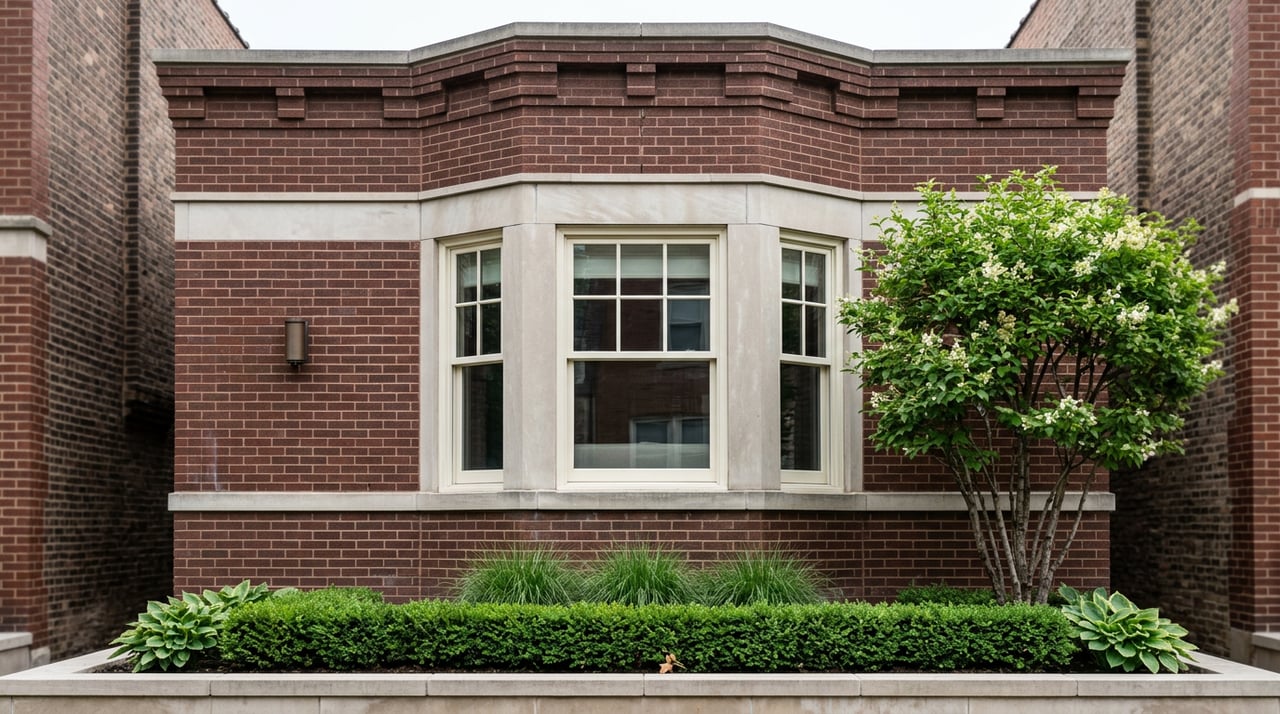
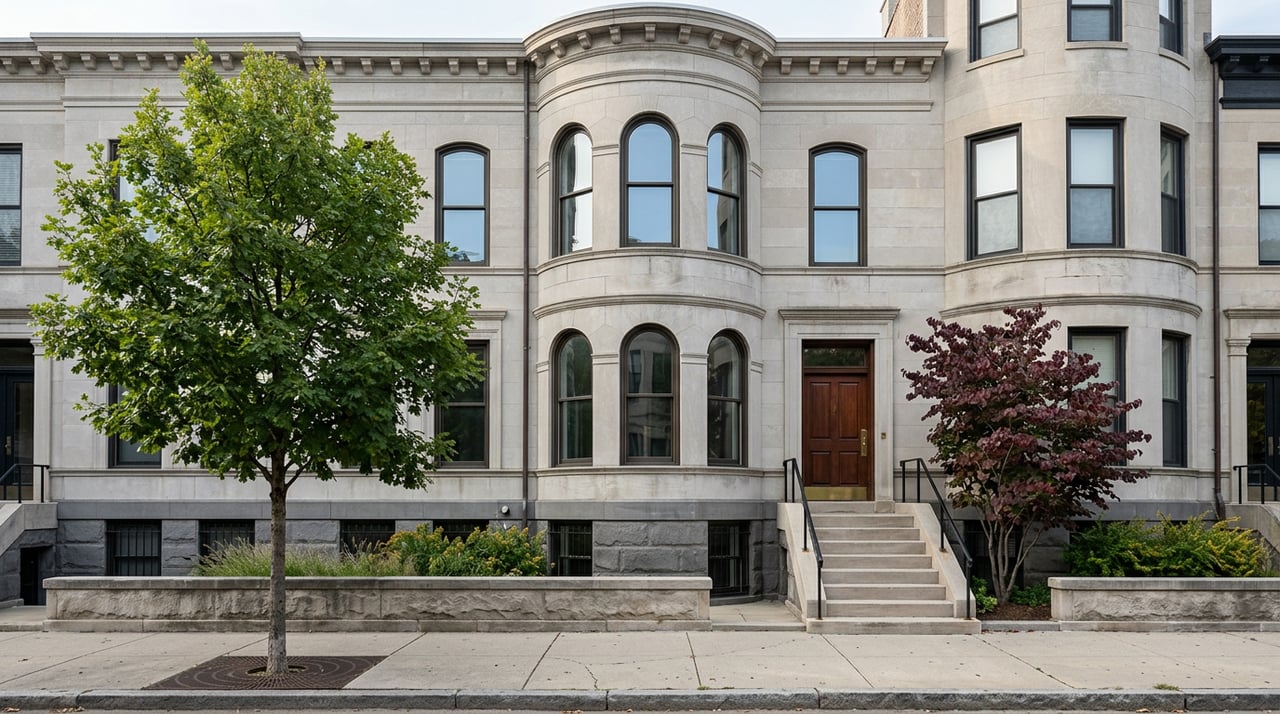
Choosing between a condo or a townhome in Lincoln Park often comes down to how you want to live day to day. Do you prefer lock-and-leave simplicity with amenities, or private outdoor space and more independence? In a neighborhood known for its tree-lined streets, classic rowhouses and high-end towers, the right choice is personal—and financial. In this guide, you’ll get a clear, local look at ownership types, monthly costs, due diligence, and how each option plays out in real life. Let’s dive in.
Lincoln Park at a glance
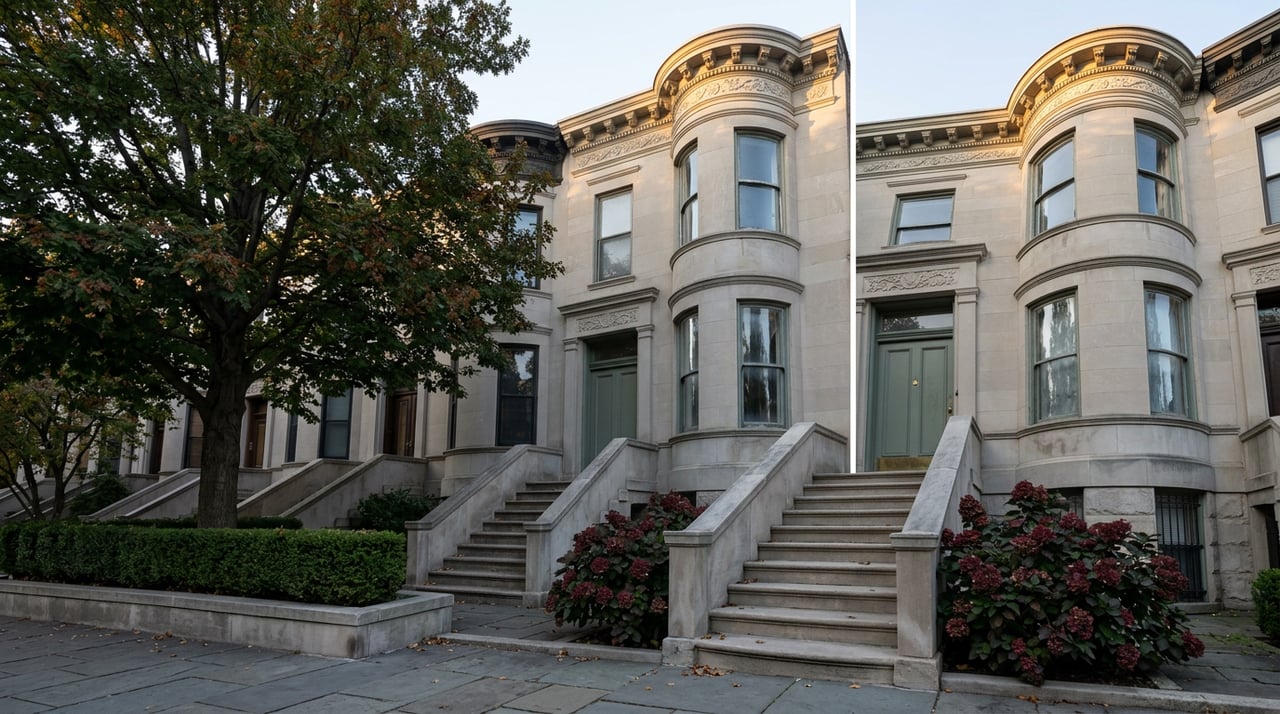
Lincoln Park blends historic rowhomes, fee-simple townhouses, mid-rise and luxury high-rise condos. The area draws professionals and families who value parks, lake access, and an easy commute. Local business and community reports point to strong amenities and steady demand, which supports long-term appeal across property types. For a quick neighborhood snapshot, see the Lincoln Park Chamber’s community brief that highlights the area’s economic vibrancy and demographic trends (Doing Business in Lincoln Park).
What you actually own
Condo ownership
In a condominium, you own the interior of your unit and a fractional share of the common elements. A condo association manages building operations and collects monthly assessments. Associations can also levy special assessments for large repairs under the Illinois Condominium Property Act. Always request the declaration, bylaws, current budget, recent financials, and the most recent reserve study to understand long-term costs (Illinois Condominium Property Act).
Townhomes in Chicago
In Lincoln Park, you’ll see two forms:
- Fee-simple townhomes where you own the land and structure, sometimes with a small HOA for shared elements.
- Townhouse-form condos that look like townhomes but are legally condominiums.
Ownership form drives costs, taxes, insurance, and rules. Always verify “fee-simple” or “condo” on the title, and confirm who is responsible for the roof, exterior, and grounds.
Fee-simple single-family homes
You own the home and land. There are no condo assessments, but you handle all exterior upkeep. Maintenance varies by age and condition, so plan for ongoing repairs and capital items over time.
Condo vs townhome: lifestyle fit
Maintenance and oversight
- Condos: The association handles exterior systems and common areas. You trade personal chores for a predictable monthly line item. Since special assessments can be levied under state law, review reserve funding and recent minutes before you buy (IDFPR special assessment FAQ).
- Fee-simple townhomes: Fewer monthly fees, more responsibility. A good planning rule is to budget for annual maintenance and occasional capital work. Strong reserves matter for any HOA that manages shared roofs, alleys, or courtyards. Industry guidance explains why underfunded reserves lead to future surprises (HOA reserve funding basics).
Privacy and noise
- Townhomes typically offer more separation since you avoid neighbors above or below. That can suit households that value quiet or flexible living.
- Condos can feel more connected to the building community. Amenities and on-site staff may add convenience and security.
Outdoor space
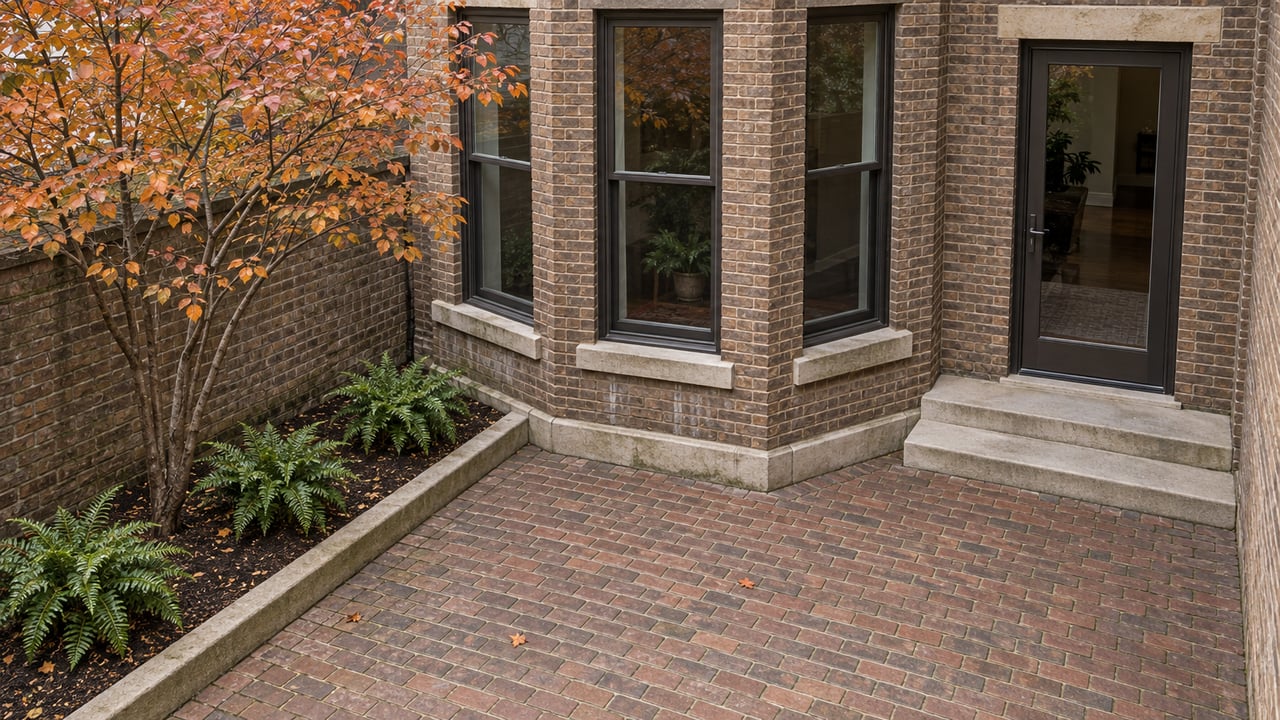
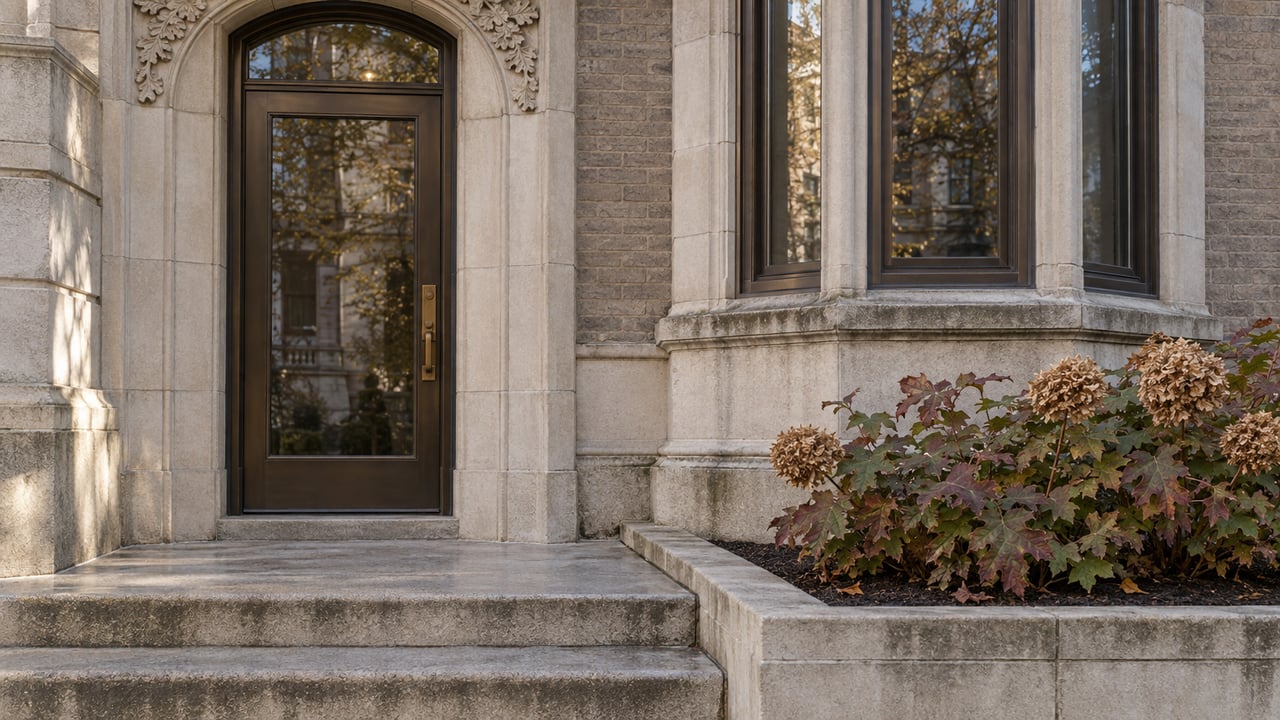
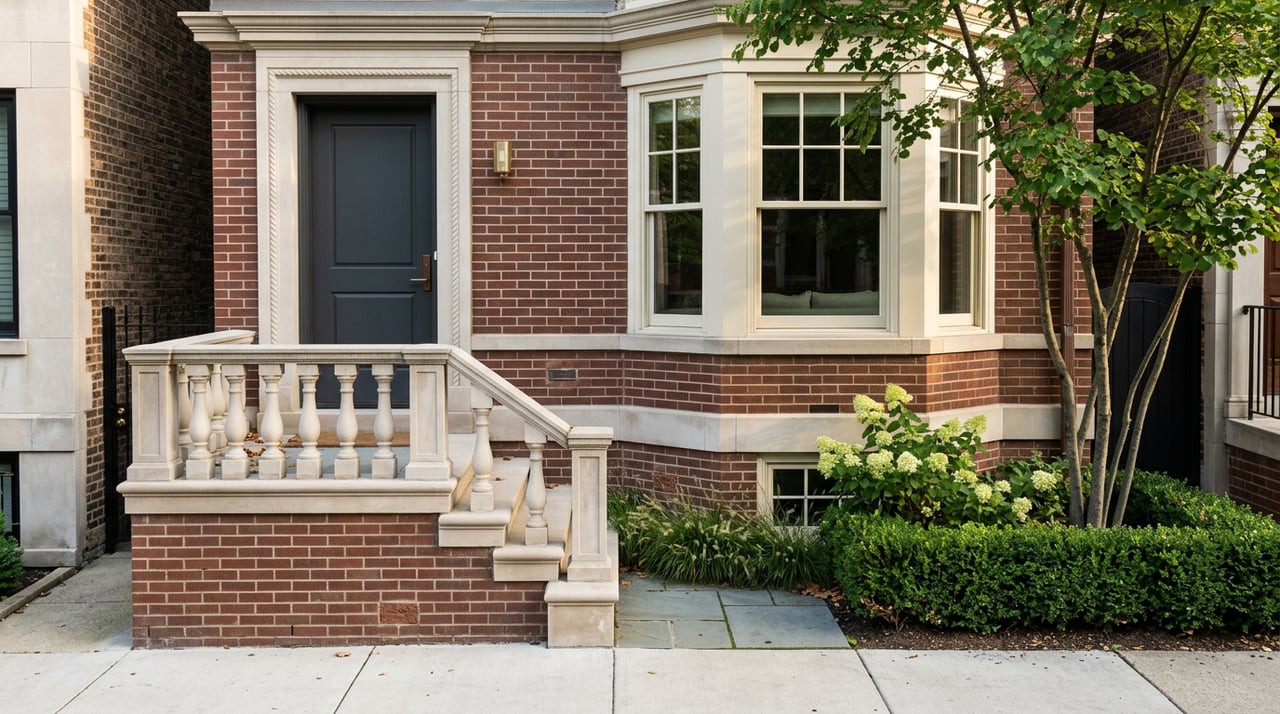
- Townhomes: Private stoops, terraces, small yards or roof decks are common. If you want direct street access or space for pets and play, townhomes excel.
- Condos: Think balconies and shared rooftops or courtyards. Many buildings trade private yards for amenities and views.
Parking access
On-site, deeded parking can be a meaningful premium in Lincoln Park. Confirm whether a space is included, deeded separately, assigned, or rented. If parking is not included, review street permit options and nearby garages before you commit.
Assessments, reserves, and special assessments
Association health sets the tone for your monthly costs. Ask for:
- Current budget and 12 months of financials.
- Most recent reserve study and percent funded.
- Meeting minutes from the past 12 to 24 months.
- Any current or pending special assessments.
Red flags include no recent reserve study, repeated special assessments, litigation, rising insurance premiums, and high delinquency rates. Illinois law outlines how boards levy special assessments and the procedures they must follow (Illinois Condominium Property Act; helpful overview at CondoManagement).
Taxes and closing costs in Chicago
- Property taxes: Cook County assessments and exemptions impact your annual bill. If you plan to occupy the home, the Homeowner Exemption can reduce your equalized assessed value. Look up exemptions and eligibility through the Cook County Assessor (Homeowner Exemption overview).
- Transfer taxes: The City of Chicago imposes a real property transfer tax, including a transferee-paid portion of $3.75 per $500 of consideration, plus a CTA component and state or county documentary taxes that add to the total. On a $700,000 purchase, the city’s transferee portion would be $5,250. Buyers and sellers often negotiate who pays which line items in the contract, so clarify this early (Chicago transfer tax code).
Financing and insurance considerations
- Warrantability: Since 2021, conventional lenders increased scrutiny of condo associations. Buildings with inadequate reserves, unresolved safety issues, or major assessments can become non-warrantable, which thins the buyer pool and complicates financing. Always ask whether the building is currently eligible for conventional loans and review any recent project questionnaires or lender feedback (condo regulation overview).
- Insurance: Condos rely on a master policy for common elements; you carry an HO-6 policy for interior coverage and may consider loss assessment coverage. Fee-simple townhomes need broader dwelling coverage. Review master policy deductibles and recent premium changes since building insurance can drive HOA increases.
Resale and liquidity
Resale strength depends on matching product to demand. Ground-oriented townhomes often attract a wide pool of owner-occupiers, while luxury condos with strong amenities can also trade quickly. Focus on layout, parking, outdoor space, and association health to support future value.
Buyer snapshots: who benefits from what
Downsizer seeking simplicity
If you value lock-and-leave living, a well-managed condo in a building with sound reserves can be ideal. Look for stable assessments that include major utilities or heat, a deeded parking space, and on-site management. Confirm there is no recent litigation and review minutes for special assessments under the Illinois Condominium Property Act (statute text).
Young household that wants space
If you want more bedrooms, separation, and a private outdoor area, a fee-simple townhome can fit well. You gain control over your exterior and layout decisions. Budget for annual maintenance and confirm responsibility boundaries in any HOA. Proximity to parks and everyday amenities is a plus.
Frequent traveler or pied-à-terre buyer
A smaller condo in a secure, professionally managed building can reduce upkeep and provide predictable costs. Ask about the building’s rental policy, reserve status, and recent insurance changes. Ensure the building remains warrantable for conventional financing.
Your due-diligence checklist
Bring this to each showing and request documents before you make an offer:
- Association budget and last 12 months of financials. Look for operating deficits or fast-rising line items.
- Most recent reserve study and percent funded. A 3 to 5 year update cadence is a healthy sign (reserve guidance).
- Meeting minutes from the last 12 to 24 months. Scan for capital projects, insurance premium hikes, or litigation exposure (special assessment primer).
- Any current or pending special assessments. Confirm the amount, timing, repayment terms, and whether lenders will still consider the building warrantable (IDFPR FAQ on special assessments).
- Master insurance policy and HO-6 requirements. Check deductibles and recent premium changes.
- Parking disclosure. Is parking deeded, assigned, rented, or waitlisted? Verify how the stall appears on the deed or plat.
- Title form for townhomes. Confirm fee-simple or condominium, plus exact maintenance boundaries in the CC&Rs.
If access to records is limited or reserve work seems deferred, proceed carefully. The Illinois Condominium Property Act outlines your rights to records and the procedures boards must follow (owner rights and procedures).
How to compare monthly costs
Use this quick framework to make a fair comparison between a condo and a townhome:
- Principal and interest. Get a rate quote for each scenario.
- Property taxes. Look up the property’s PIN and consider the Homeowner Exemption if you plan to occupy the home (Cook County exemptions).
- HOA assessments. Note what they include, how they have trended, and the reserve contribution.
- Insurance. Condo HO-6 vs dwelling coverage for townhomes. Check deductibles.
- Parking. Add fees for separately deeded or rented spaces if applicable.
- Maintenance allowance. For fee-simple, set aside a monthly amount for exterior and capital items.
This apples-to-apples view often clarifies whether a higher assessment buys you meaningful conveniences or if a fee-simple structure better suits your preferences.
Next steps for Lincoln Park buyers
Start with lifestyle, then pressure-test the numbers and the association’s health. Narrow to a short list of addresses that deliver the space, outdoor access, parking, and day-to-day ease you want. When you are ready, a seasoned local broker can surface coming-soon or private opportunities and negotiate terms that protect your long-term interests, including transfer-tax responsibilities and association disclosures.
If you would like a confidential, tailored plan for condos and townhomes that fit your criteria in Lincoln Park, reach out to Lissa Weinstein. You will get discreet guidance, early access to select listings, and a clear path from first showing to a smooth close.
FAQs
What is the key difference between a Lincoln Park condo and a fee-simple townhome?
- A condo owner holds a unit plus a share of common elements and pays monthly assessments, while a fee-simple townhome owner holds the land and structure and directly manages most exterior maintenance.
How do HOA reserves and special assessments impact condo costs in Chicago?
- Strong reserves reduce the risk of special assessments; under Illinois law, boards can levy special assessments for major projects, so always review the reserve study, budget, and recent minutes before you buy.
How do Chicago transfer taxes affect a $700,000 purchase?
- The city’s transferee portion is $3.75 per $500, or $5,250 at $700,000, with additional CTA and state or county taxes often negotiated in the contract; confirm responsibilities early.
What documents should I ask for before offering on a Lincoln Park condo?
- Request the declaration and bylaws, current budget and financials, reserve study, meeting minutes from 12 to 24 months, master insurance policy, and any special assessment notices.
Why does “warrantability” matter for Chicago condos?
- Non-warrantable buildings can limit conventional financing due to reserve, repair, or assessment issues, which can narrow the buyer pool and affect pricing and time to sell.