
Selling A Lincoln Park Single-Family Home While Downsizing
If you have lived in a Lincoln Park single-family home for years, downsizing can feel like two major projects happening at once. You are not just selling a property. You are also deciding what comes next, how much to keep, when to move, and how to make the process feel manageable. With the right plan, you can protect your timing, present your home well, and move forward with more confidence. Let’s dive in.
Selling a larger home in Lincoln Park comes with a few local factors that deserve early attention. The neighborhood is known for its walkability, transit access, green space, and mix of historic homes and newer residences, but it is also dense and busy, which can make parking, loading, and moving logistics more complex than in less urban areas. According to Redfin’s Lincoln Park neighborhood overview, parking can be challenging, especially at busy times.
That matters when you are preparing a single-family home for showings, inspections, movers, and closing-day coordination. In a downsizing move, the logistics are often just as important as pricing strategy. Planning for garage access, curb use, donation pickups, and move-day timing can help you avoid last-minute stress.
Lincoln Park continues to sit well above the broader Chicago market in pricing, and it remains active. Using Redfin’s February 2026 Lincoln Park housing market data, the median sale price was $750,000, compared with $390,000 on Redfin’s Chicago city page, and the neighborhood was described as somewhat competitive.
That said, market speed can look different depending on the source. Redfin reported 56 median days on market for Lincoln Park in February 2026, while Realtor.com’s Lincoln Park market page showed a median of 18 days on market for the same month. The takeaway is simple: your likely timeline depends on the source, methodology, pricing, condition, and property type, so your strategy should be tailored to your specific home rather than built around a single headline number.
Before you list your home, get clear on what downsizing means for you. Are you moving to a condo, a townhome, or a smaller single-family house? Do you want to stay in Lincoln Park, or are you open to another part of Chicago?
This step shapes nearly every other decision. It affects your ideal list date, how aggressively you declutter, whether you need temporary housing, and how much flexibility you want in negotiations.
Lincoln Park offers a broad housing mix, which can help downsizers stay in the neighborhood if they want to. As you compare options, it is smart to weigh parking, storage, elevator access, and move-in or move-out rules, especially in condo buildings and townhome communities.
This is one of the biggest downsizing decisions, and there is no one-size-fits-all answer. Realtor.com’s consumer guidance for the Lincoln Park market highlights the trade-off clearly: selling first, buying first, or trying to do both at once each comes with benefits and risks.
If you sell first, you gain clarity on your proceeds and may feel more comfortable making the next purchase decision. If you buy first, you may reduce disruption, but you also may need to carry two homes for a period of time. Trying to do both at once can work, but it usually requires tighter timing and more flexibility.
| Option | Main benefit | Main challenge |
|---|---|---|
| Sell first | Clearer budget and equity picture | You may need temporary housing |
| Buy first | More control over where you move next | You may carry two properties |
| Do both together | One overall transition window | More moving parts and timing pressure |
Even if you are trading down in price, financing still matters. Freddie Mac reported a 30-year fixed rate of 6.37% as of April 9, 2026, so the monthly cost of your next home may still be meaningful.
Downsizers sometimes assume they need a major renovation before listing. In most cases, that is not necessary. The more practical approach is to focus on condition, presentation, and the repairs most likely to affect buyer confidence.
According to the National Association of Realtors consumer guide to preparing to sell your home, sellers do not have to make cosmetic updates, but cleaning, decluttering, and improving curb appeal can make a meaningful difference in photos and first impressions.
A pre-sale inspection is optional, but it can be especially useful for an older Lincoln Park home. NAR notes that it can help identify issues involving the structure, roof, plumbing, electrical, HVAC, and possible concerns such as mold, radon, lead paint, or asbestos before buyers uncover them.
For a larger home, that early information can help you price more cleanly, plan repairs more thoughtfully, and reduce unwelcome surprises during negotiations.
You do not need to make your home feel brand new. You do want it to feel well cared for, bright, and easy to understand.
A strong pre-listing checklist often includes:
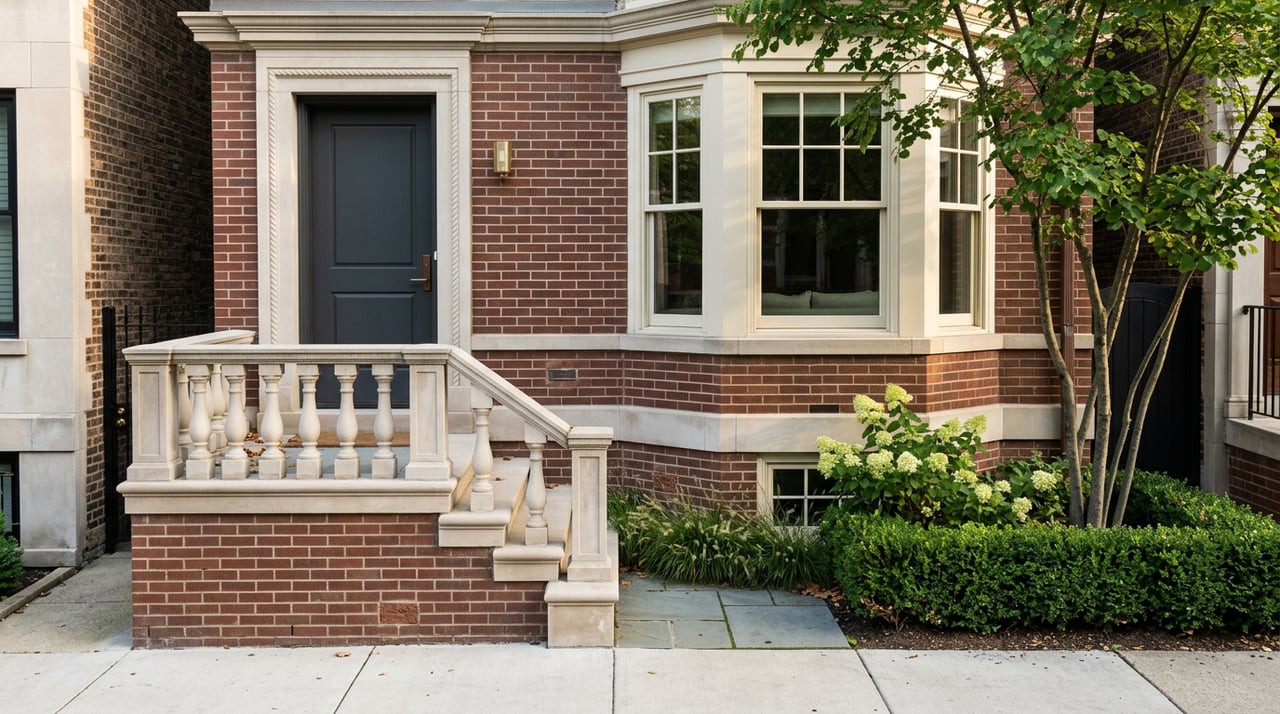
For Lincoln Park homes, curb appeal still matters, but so does how the property functions in a dense urban setting. If parking or loading is limited, planning ahead for showing access and move coordination can become part of the value story.
If you are downsizing, chances are your current home has years of furnishings, collections, and personal history in it. Thoughtful staging can help buyers focus on the home itself instead of the scale of your move.
NAR’s 2025 staging findings showed that 29% of agents said staging led to a 1% to 10% increase in dollar value offered, and 49% said staging reduced time on market. In the same report, the most commonly staged rooms were the living room, primary bedroom, dining room, and kitchen, according to NAR’s staging report summary.
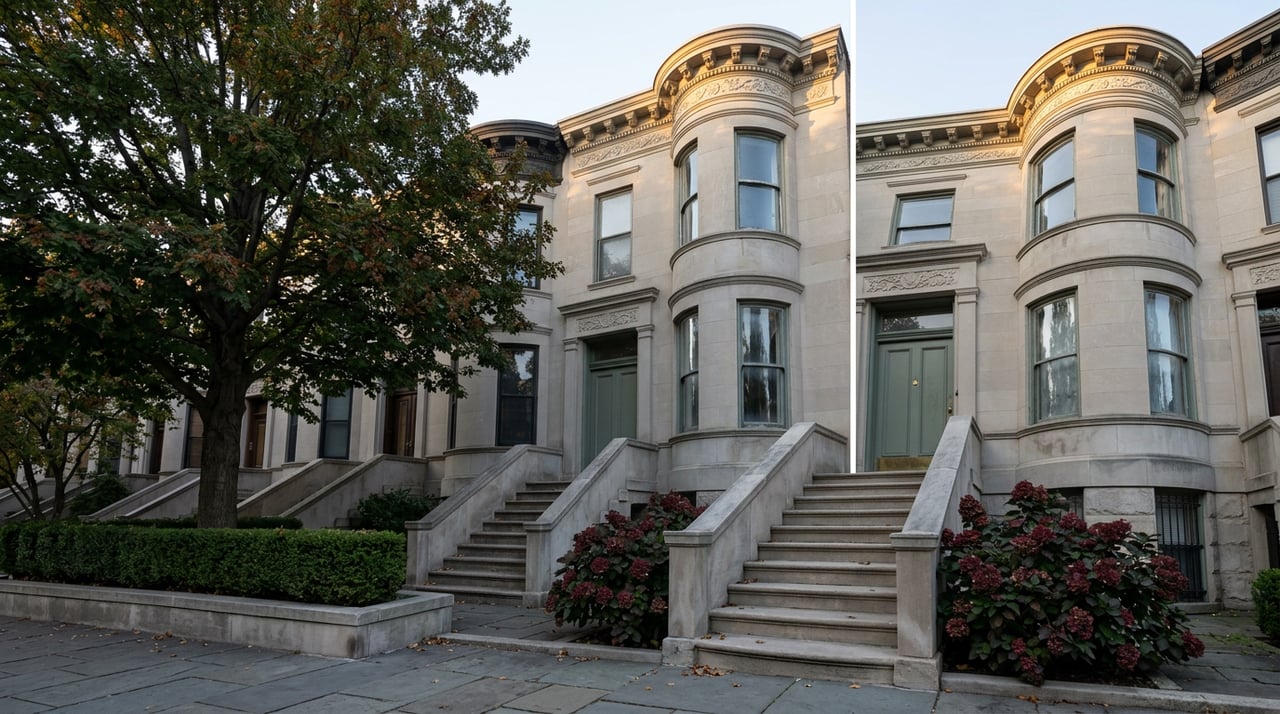
In a larger Lincoln Park home, staging can also help buyers understand room scale, circulation, and how formal and informal spaces fit modern daily life. That is especially helpful when the home has multiple levels, older architectural details, or rooms with more specific uses.
Downsizing is easier when you break it into phases. Instead of trying to do everything in the final few weeks, start earlier and separate the sale process from the sorting process as much as possible.
6 to 8 weeks before listing
3 to 5 weeks before listing
Once on market
Under contract
One local item deserves early attention: the Full Payment Certificate, or FPC. The City of Chicago explains that the FPC confirms water and sewer charges are paid or otherwise handled, and without it, the parties cannot obtain the real property transfer tax stamps needed to record the deed with the Cook County Recorder of Deeds.
This is not a detail to leave until the last minute. The City also notes that if an FPC should have been obtained but was not, both the transferor and transferee may be exposed to outstanding water or sewer charges and penalties.
NAR recommends collecting warranties, guarantees, and user manuals for systems and appliances that will remain with the home. For a larger single-family property, this can include everything from HVAC records to appliance manuals to documentation for recent repairs or improvements.
Having these materials organized early can make the transaction feel more orderly for both you and the buyer.
If you have owned your Lincoln Park home for many years, the capital gain may be significant. The IRS guidance on selling your main home says many sellers may exclude up to $250,000 of gain if filing single or up to $500,000 on a joint return, provided they meet the ownership and use tests.
In general, that means you owned and used the home as your main home for at least 24 months during the five-year period ending on the sale date. If part of the property was used for business or rental purposes, the tax treatment can be different, so it is wise to confirm the details well before closing.
When you are downsizing, the best outcome is not simply getting to the closing table. It is moving from one chapter to the next with a plan that respects your timeline, your equity, and the history you have in the home.
In Lincoln Park, that usually means combining smart pricing, refined presentation, and careful logistics. If you want discreet guidance on preparing, marketing, and coordinating a downsizing move, Lissa Weinstein offers boutique, high-touch support tailored to complex transitions.







Whether buying or selling or looking for an expert team to downsize your parents, my team of professionals is here to support your goals and make your next home move as smooth as possible. We are here to guide you, help you make smart investments for your future, transition your move, and take care of all of the details so you don’t have to. We are excited to get to know you and see how we can best be of service.
Let’s start working together!