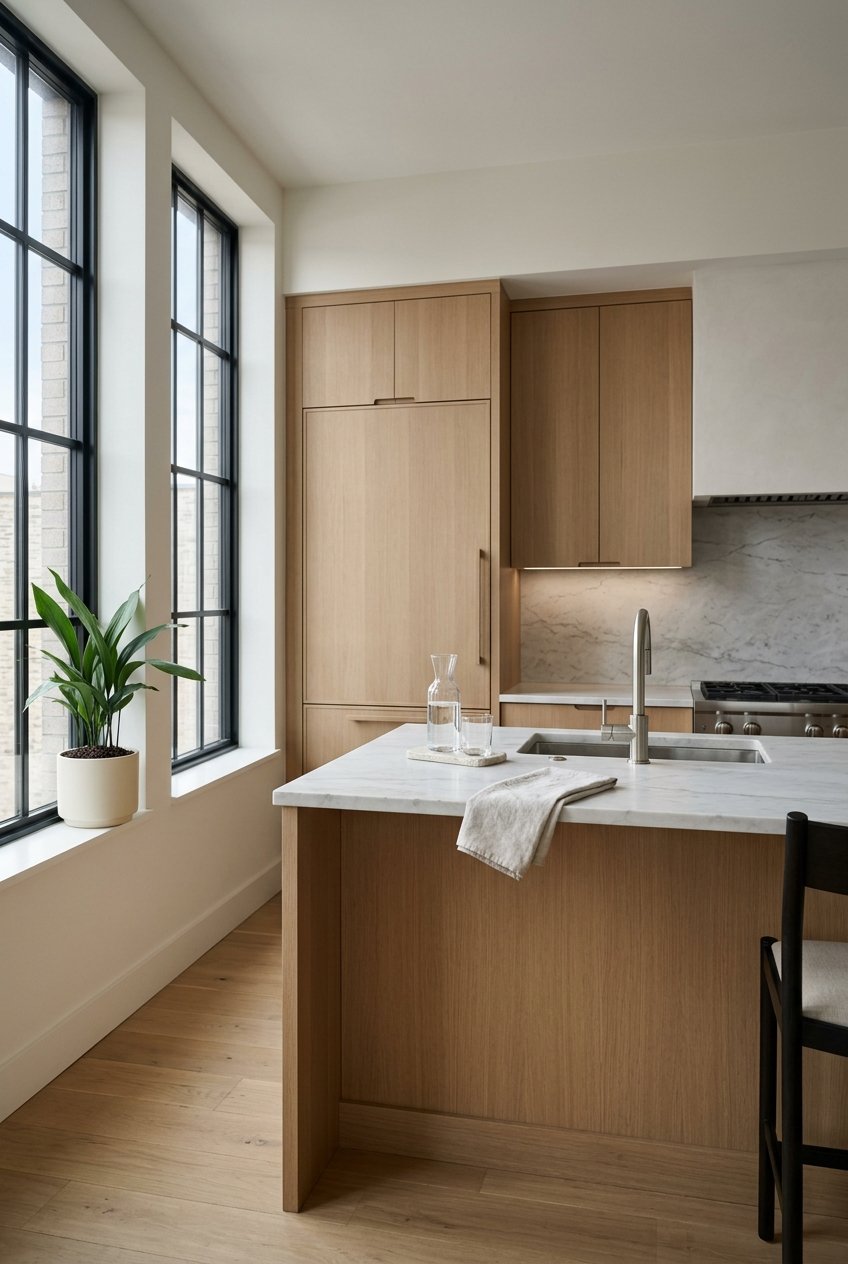
Gold Coast and Streeterville Home Selling Preparation
Selling in Gold Coast or Streeterville is rarely just about putting a home on the market. In these neighborhoods, buyers notice how a space feels, how light moves through the rooms, and how well the home reflects its architecture and setting. If you want to sell with confidence, the goal is not more work for the sake of it. It is smart preparation that helps your home look polished, honest, and easy to understand from the first photo to the final showing. Let’s dive in.
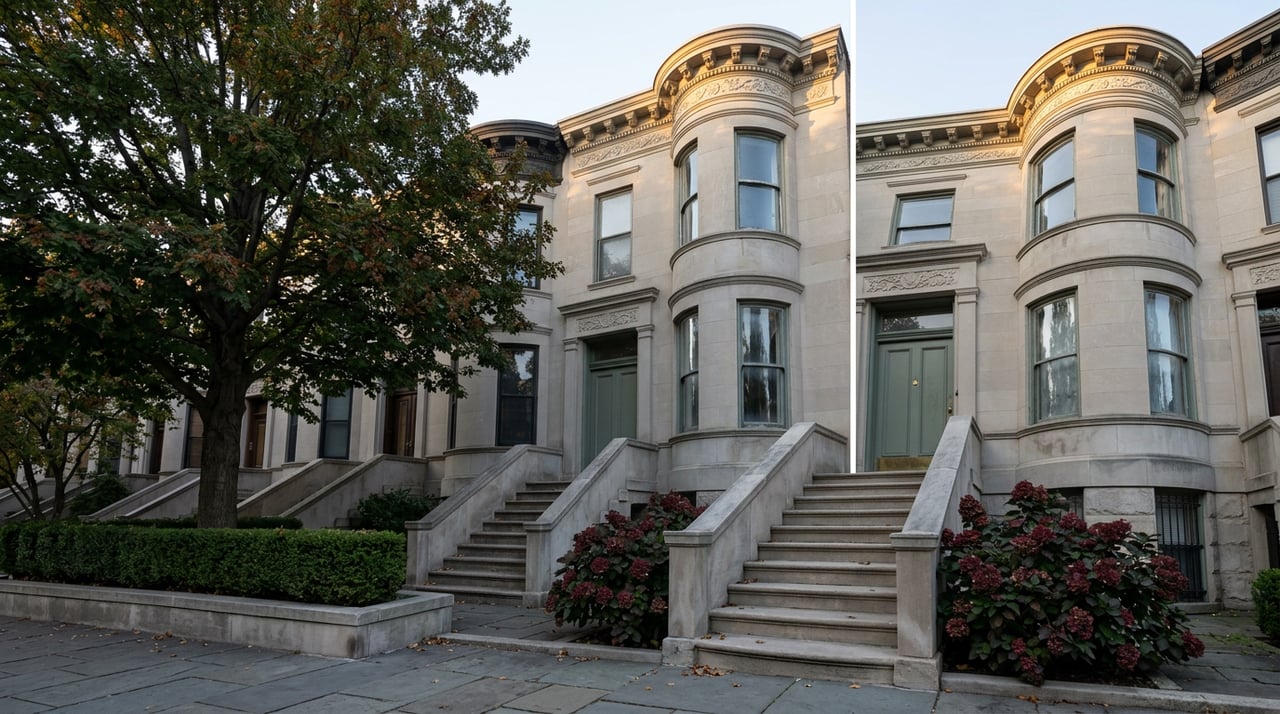
Gold Coast and Streeterville have a distinct market context. Gold Coast is known for historic mansions, luxury residences, and architecture-rich streetscapes, while Streeterville is closely tied to the lakefront, cultural landmarks, and high-rise living near Lake Michigan. In neighborhoods like these, buyers are often weighing not only square footage, but also design character, views, condition, and overall lifestyle fit.
That is why presentation carries extra weight. A home that feels calm, maintained, and visually coherent tends to make a stronger impression than one that is simply clean. In architecturally notable buildings and luxury towers alike, details such as lighting, trim, closet organization, and furniture scale can shape how buyers read value.
Before you think about styling, start with the essentials. Deep cleaning, decluttering, and depersonalizing usually create the biggest visual improvement early on. Clean surfaces, clear counters, hidden cords, and fewer personal items help buyers focus on the home itself.
This matters because staged and well-prepared spaces are easier for buyers to imagine as their own. According to the National Association of Realtors 2025 staging report, 83% of buyers’ agents said staging made it easier for buyers to visualize a property as a future home. That kind of clarity is valuable in a premium market where first impressions can shape showing interest quickly.
Not every room needs the same level of attention. The strongest return usually comes from the spaces buyers care about most first. NAR found that the living room was considered the most important room to stage at 37%, followed by the primary bedroom at 34% and the kitchen at 23%.
For sellers, this creates a useful priority list. If your time or budget is limited, begin with the living room, primary bedroom, and kitchen. In many Gold Coast and Streeterville homes, these are also the rooms that best communicate architectural scale, natural light, and everyday livability.
A focused reset often includes:
These are small moves, but they can make the home feel larger, brighter, and more intentional.
In parts of Gold Coast especially, some homes sit within landmark districts or buildings with historic significance. If your property falls into that category, your prep strategy should be thoughtful. The City of Chicago’s landmarks guidance notes that permit applications may be reviewed for effects on significant historic or architectural features, particularly on exterior elevations visible from the public way.
That makes low-risk improvements especially appealing. Routine maintenance, painting, and minor repairs generally do not require a building permit, and the city’s standards favor maintaining and repairing original features rather than redesigning them. In practical terms, that means repairing original details, refining finishes, and updating lighting or hardware may be a better path than making major exterior changes before listing.
If you are preparing a historic townhome, vintage condo, or prewar co-op, consider improvements like these:
If you are considering exterior work in a landmark building or district, it is wise to confirm any permit implications before starting.
Today, your listing is often experienced online before anyone steps through the door. NAR’s 2025 buyer and seller trends report found that the first step in the home search process was looking online for properties. Among buyers who used the internet, photos were the most useful feature for 83%, followed by detailed property information for 79%, floor plans for 57%, virtual tours for 41%, and videos for 29%.
That means your launch should be planned around media quality, not treated as an afterthought. In Gold Coast and Streeterville, buyers may be comparing historic apartments, luxury condos, and lakefront homes from across town or from out of state. Clear, polished visuals help them understand not only the finishes, but also the layout, light, and overall feel of the home.
The order of operations is simple but important:
Staging should happen before photography, not after. Once the listing goes live, your photos and floor plan become the foundation of every showing request and buyer conversation.
Professional photography matters because buyers are quick to judge visual quality. NAR’s 2025 staging report found that buyers’ agents ranked photos as much more or more important to their clients than any other staging-related tool at 73%. The same report also noted that many buyers expect homes to look as polished as those shown on television, yet are often disappointed when reality falls short.
That does not mean your home should look artificial. It means it should look elevated, well edited, and truthful. Zillow’s seller photography guidance supports this approach by recommending bright interiors, uncluttered rooms, strong natural light, and careful composition that highlights the home honestly.
For a Gold Coast or Streeterville listing, strong visual assets usually include:
In lakefront settings, even small choices can help. For example, removing window screens before photography may help preserve daylight and improve the view in final images.
If you are selling a condo, co-op, or other attached property, paperwork can affect your timeline as much as staging does. Illinois law requires sellers of residential real property, including condominium units and units in residential cooperatives, to deliver the written Residential Real Property Disclosure Report before signing a contract. The law also requires disclosure of material defects actually known to the seller, plus a supplemental disclosure if a seller later becomes aware of an error or omission before closing.
For condominium resales, the Illinois Condominium Property Act requires association-related documents to be provided to the buyer on demand. These may include information about assessments, anticipated capital expenditures, reserve funds, financial condition, pending suits or judgments, insurance coverage, alteration compliance, and association contacts. The association must furnish that information within 10 business days of a written request, and it may charge a reasonable fee of up to $375, plus $100 for rush service within 72 hours.
Gathering documents early helps you avoid delays once a buyer is ready. It also gives you time to confirm building rules, move policies, and any alteration history that may need explanation. In a building with formal procedures, early organization can make the transaction feel far more controlled.
Some Gold Coast residences operate under co-op structures rather than standard condominium ownership. In those cases, resale procedures can be more building-specific. Illinois Legal Aid Online notes that cooperatives have their own governance, financing, monthly fee, and resale rules.
If you own a co-op, it is smart to verify the board’s transfer package, approval steps, showing requirements, and move-out timing well before you list. That way, your marketing plan and contract timeline can reflect the building’s actual process rather than assumptions.
If your home was built before 1978, lead-based paint disclosure rules may apply. The EPA states that sellers of most pre-1978 housing must disclose known lead-based paint information before a sale, provide the required EPA pamphlet, include a Lead Warning Statement, and allow buyers a 10-day period to conduct a lead inspection or risk assessment.
This is especially relevant in older Gold Coast residences and vintage condo buildings. It is another reason to organize disclosures early, particularly if your home has historic character or long ownership history.
The best-prepared sales in Gold Coast and Streeterville usually do not come from over-renovating. They come from a clear process: verify building and landmark constraints, gather disclosures and association documents, complete a cosmetic refresh, stage the home, create polished media, and then launch with intention.
That approach fits these neighborhoods well. Buyers here tend to respond to homes that feel well cared for, visually composed, and straightforward to understand. When the home, paperwork, and presentation are all aligned, you are in a stronger position to attract serious interest and move forward with less stress.
If you are preparing to sell in Gold Coast or Streeterville and want a thoughtful, discreet strategy built around presentation, timing, and premium positioning, Lissa Weinstein offers confidential guidance tailored to complex city sales.


Whether buying or selling or looking for an expert team to downsize your parents, my team of professionals is here to support your goals and make your next home move as smooth as possible. We are here to guide you, help you make smart investments for your future, transition your move, and take care of all of the details so you don’t have to. We are excited to get to know you and see how we can best be of service.
Let’s start working together!